
Can You Get Dental Implants After Years of Missing Teeth?
Posted .
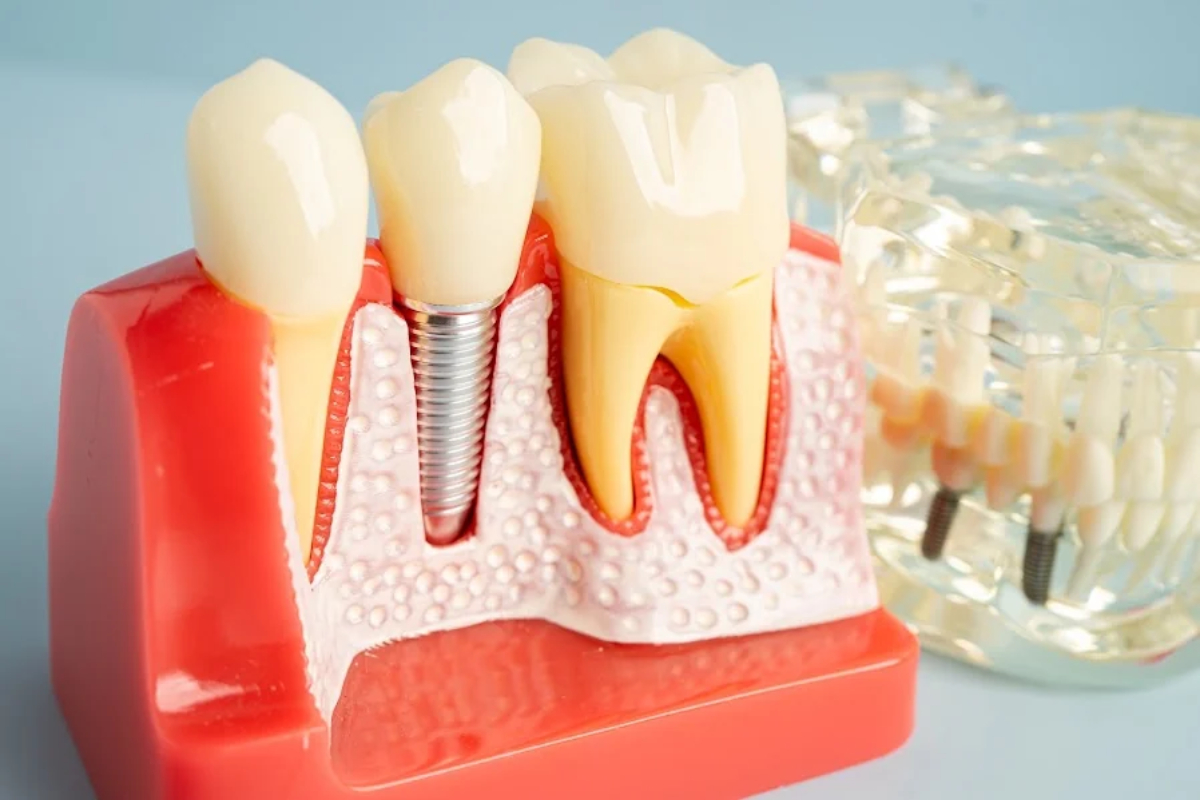
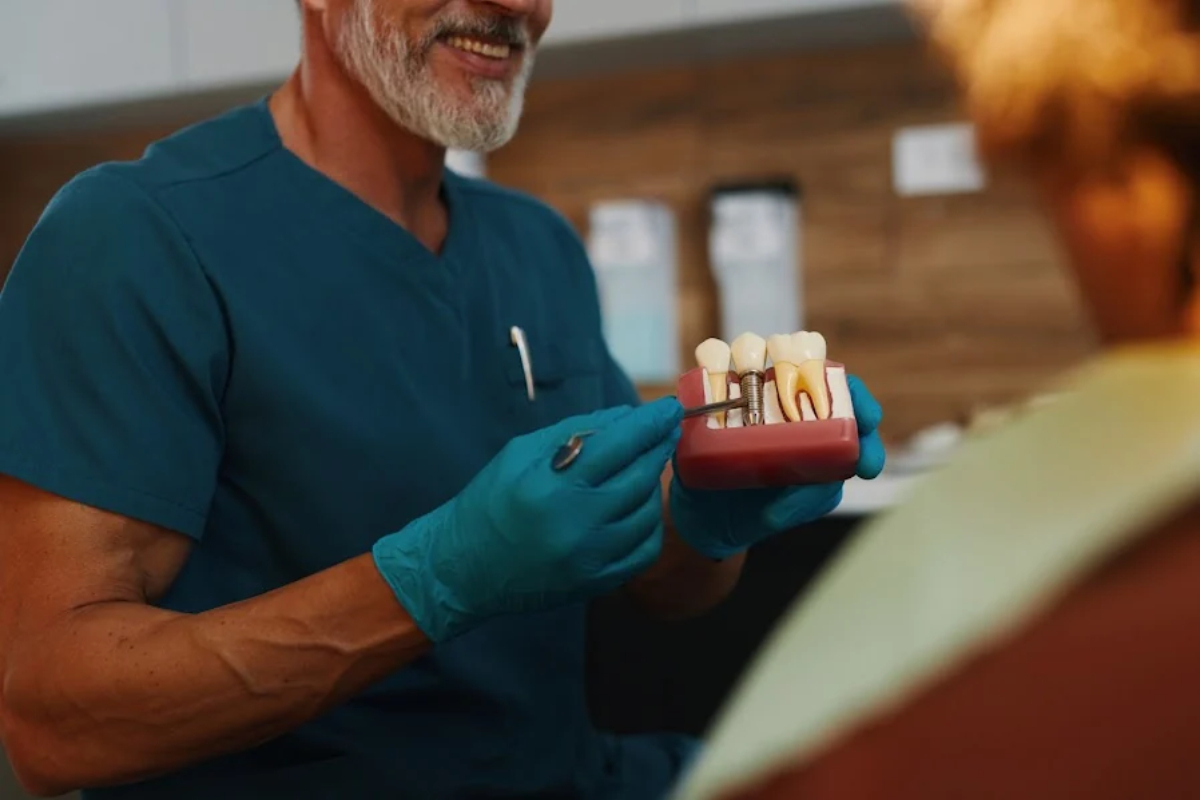
Living without a tooth for several years can gradually change your mouth. Neighboring teeth may shift, and the jawbone surrounding the empty space can lose volume. Many Hurricane residents assume these changes make dental implants impossible. However, long-term tooth loss does not automatically prevent someone from receiving implant treatment. At Drs. Monday and Graziani, we evaluate oral health and jawbone conditions before recommending dental implants in Hurricane. Understanding the effects of tooth loss can help you explore your replacement options. What Happens to Your Jaw After Losing a Tooth? Natural tooth roots help maintain the surrounding jawbone through everyday chewing forces. When a tooth disappears, that stimulation also decreases. The body may gradually resorb bone around the missing tooth. The amount and rate of change vary among individuals. Bone loss may affect the height and width of the supporting ridge. These changes can complicate future implant placement. However, bone loss does not occur identically in every patient. A professional evaluation is necessary to understand the available support. Does Long-Term Tooth Loss Prevent Implant Placement? Losing a tooth many years ago does not automatically disqualify you from dental implants. The most important considerations involve bone support and overall oral health. Some patients retain enough jawbone for implant placement despite long-standing gaps. Others need additional procedures to improve the treatment site. Your dentist evaluates the jawbone using clinical examinations and appropriate imaging. The findings help determine whether implant treatment is practical. Existing gum disease or untreated decay may also require attention. Healthy supporting tissues are important for successful implant healing. Why Jawbone Density Matters for Dental Implants Dental implants require adequate bone support for stability. The implant post must integrate with the surrounding jawbone during healing. Insufficient bone may affect the available placement positions. It can also influence the type or size of implant considered. Your dentist will assess important anatomical structures near the proposed site. Implant placement must account for nearby nerves, sinuses, and natural teeth. Careful planning reduces avoidable surgical risks. However, every implant procedure carries potential complications that should be discussed beforehand. Can Bone Grafting Help After Years of Tooth Loss? Bone grafting may be recommended when the jaw lacks sufficient support. The procedure places suitable graft material into areas requiring additional bone. Over time, the grafted area can develop new supporting bone. Healing depends on the graft material, location, and individual biological response. Some patients require grafting before implant placement. Others may receive grafting during the same surgical appointment when appropriate. Not every case of bone loss can be addressed through the same grafting technique. Your dentist will explain whether additional treatment is necessary. Other Changes Caused by Missing Teeth Neighboring Teeth May Shift Teeth beside an empty space may gradually tilt or drift. This can reduce the room available for a replacement restoration. Significant movement may complicate implant positioning. Additional treatment might be recommended before restoring the space. Opposing Teeth May Overerupt A tooth without an opposing chewing partner may move farther into the empty space. This process is called overeruption. The resulting changes can affect bite relationships and restorative space. Your dentist will evaluate whether the movement requires correction. Chewing Patterns May Change Patients often adapt their chewing habits after losing teeth. Some rely more heavily on one side of the mouth. These changes may place additional pressure on certain remaining teeth. Replacing missing teeth can help redistribute chewing function. What Happens During Your First Implant Consultation? Your consultation begins with a review of your dental and medical history. Previous extractions, gum treatment, and existing restorations may influence planning. The dentist examines the missing tooth area and surrounding structures. Imaging helps evaluate available bone and nearby anatomy. Your treatment options are then discussed according to the clinical findings. These may include implants, bridges, or removable restorations. If implant placement is suitable, the dentist explains the expected stages. Potential bone grafting and healing requirements are also reviewed. An individualized treatment plan helps you understand the process. It also provides an opportunity to discuss expectations and alternatives. How Long Does Implant Treatment Take? Dental implants require time to integrate with the jawbone. This healing process often takes several months. The timeline may be longer when bone grafting or additional treatment is necessary. Individual medical conditions can also influence healing. Some patients receive temporary restorations during the process. Their suitability depends on implant stability and treatment planning. The final restoration is usually placed after appropriate healing. Your dentist will explain the anticipated sequence before surgery. Are Dental Implants Better Than Traditional Bridges? Implants and conventional bridges both replace missing teeth. However, they use different methods of support. An implant-supported crown receives support from a post inside the jawbone. A traditional bridge typically uses neighboring teeth as anchors. Conventional bridges may require preparation of those supporting teeth. Implants involve surgery and require suitable bone conditions. Neither option is ideal for every patient. Long-term maintenance, oral health, and personal priorities should guide treatment decisions. What if You Have Worn Dentures for Years? Long-term denture wear does not automatically prevent implant treatment. However, your jawbone and gum tissues may have changed over time. Some patients may qualify for implant-supported dentures. These restorations can provide additional retention compared with conventional removable appliances. Other patients may require grafting or alternative treatment plans. Your dentist will assess the current anatomy and available restorative options. Caring for Dental Implants After Treatment Dental implants require daily cleaning and professional monitoring. Although implants cannot develop cavities, surrounding tissues can become inflamed. Brush thoroughly and use cleaning aids recommended for your restoration. Interdental brushes or specialized floss may help reach difficult areas. Avoid smoking because it can increase implant complications. Follow your dentist’s instructions during healing and long-term maintenance. Regular appointments allow the dental team to evaluate implant stability. Early attention to bleeding or swelling helps identify possible problems. Explore Dental Implant Options in Hurricane Years of tooth loss do not always eliminate your replacement options. A thorough evaluation can determine whether dental implants remain suitable. At Drs. Monday and Graziani, we provide implant consultations and treatment planning for patients with missing teeth. Our dentists can discuss bone grafting and restorative alternatives when appropriate. Contact our Hurricane office to schedule an evaluation. Discover whether implant treatment can help replace your long-missing tooth. Frequently Asked Questions 1. Can I get dental implants after 10 years without teeth? Yes, some patients qualify for implants even after many years of tooth loss. However, jawbone volume may have decreased during that time. Your dentist will assess the bone and surrounding tissues to determine whether implant placement is possible. 2. Do I always need bone grafting after long-term tooth loss? No, bone grafting is not necessary for every patient with long-standing missing teeth. Some individuals retain sufficient bone for implant placement. Clinical examination and imaging help determine whether additional support is required. 3. Can implants work if my jawbone has shrunk? Implant placement may still be possible depending on the extent and location of bone loss. Certain patients benefit from grafting or alternative implant designs. Your dentist will evaluate the available anatomy and discuss appropriate treatment options. 4. Are dental implants suitable for older adults? Age alone does not automatically prevent dental implant treatment. Overall health, healing ability, oral hygiene, and bone support matter more than chronological age. Your dentist will review relevant medical conditions before recommending surgery.Ready to see us?
New patients are always welcome.
Book an appointmentCall us (304) 343-1216