
Can Dental Implants Replace Multiple Missing Teeth?
Posted .
Losing several teeth can change much more than your appearance. Everyday activities like chewing, speaking, and enjoying meals may become increasingly challenging.
Some Charleston residents assume replacing multiple teeth requires traditional dentures. However, dental implants can support several types of restorations, including bridges and dentures.
At Drs. Monday and Graziani, we offer dental implants in Charleston for patients seeking long-term tooth replacement options. Understanding how implant-supported restorations work can help you identify suitable solutions.
How Dental Implants Replace Missing Teeth
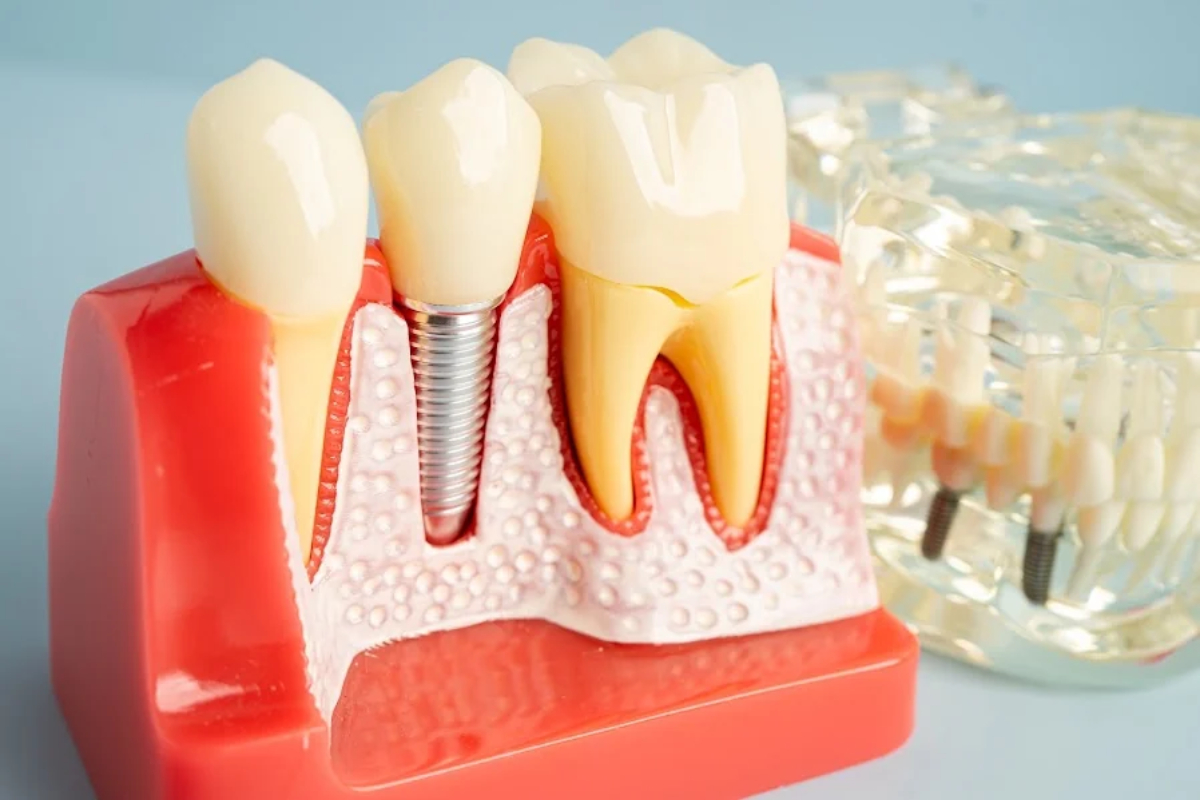
Dental implants are artificial tooth roots surgically positioned within the jawbone. They provide support for restorations designed to replace missing teeth.
A typical implant consists of a biocompatible post, a connecting component, and a dental restoration. The final restoration may include a crown, bridge, or denture.
After implant placement, the surrounding bone gradually connects with the implant surface. This process, called osseointegration, helps create a stable foundation.
Healing varies depending on individual health and treatment complexity. Your dentist will assess implant stability before completing the restoration.
One important advantage is that every missing tooth does not necessarily require its own implant. Multiple teeth can sometimes be replaced using fewer strategically positioned implants.
Different Ways Implants Replace Multiple Teeth
Implant-Supported Dental Bridges
An implant-supported bridge replaces several missing teeth using dental implants as anchors. The bridge connects replacement teeth across the space.
Unlike conventional bridges, implant-supported bridges do not necessarily rely on neighboring natural teeth. This can preserve healthy tooth structure in suitable cases.
The number of implants depends on the restoration’s length and location. Bite forces and available bone also influence treatment planning.
Implant-Supported Partial Dentures
Patients missing several teeth across an arch may benefit from implant-supported removable restorations. Dental implants can provide additional support and retention.
A removable restoration may be easier to clean outside the mouth. However, patients must follow specific maintenance instructions for the attachments.
The design depends on remaining natural teeth and implant positioning. Your dentist will explain whether a removable option suits your needs.
Implant-Supported Full-Arch Restorations
Patients missing all teeth in one arch may consider implant-supported full-arch replacement. Several implants can support a complete set of prosthetic teeth.
Some restorations remain fixed in place, while others can be removed by the patient. The choice depends on clinical findings and individual preferences.
Full-arch treatment requires careful evaluation of bone quantity and implant distribution. Not every patient qualifies for the same approach.
Do You Need One Implant for Every Missing Tooth?
Many patients believe every missing tooth requires an individual implant. Fortunately, several implant-supported designs can replace multiple teeth with fewer posts.
For example, a short bridge may be supported by implants placed at selected positions. This approach depends on the size of the gap and expected chewing forces.
Larger restorations require more comprehensive planning. Your dentist evaluates the supporting bone and the mechanical demands of the replacement teeth.
Using fewer implants is not always the right decision. Adequate support remains essential for restoration stability and long-term function.
Who May Qualify for Multiple Dental Implants?
Implant treatment requires sufficient healthy bone to support the planned posts. Your gums should also be healthy or appropriately treated before surgery.
Certain medical conditions may affect healing and implant outcomes. Smoking and uncontrolled diabetes can increase the risk of complications.
Previous tooth loss can also influence the treatment plan. The jawbone may gradually shrink where natural teeth are missing.
A comprehensive examination helps determine whether implant placement is appropriate. Your dentist may recommend additional imaging to evaluate the available bone.
Can Bone Grafting Help Before Implant Placement?
When teeth are missing, the surrounding jawbone may lose volume over time. Significant bone loss can make implant placement more challenging.
Bone grafting may help rebuild or preserve areas requiring additional support. The procedure uses appropriate graft material to encourage new bone formation.
Not every patient requires a graft before implant placement. Your dentist will evaluate the location, dimensions, and condition of the existing bone.
Some patients need a separate healing period after grafting. Treatment timelines depend on the complexity of the surgical site.
Dental Implants vs. Traditional Dentures
Traditional dentures replace missing teeth using a removable prosthetic appliance. They may rest primarily on the gums and supporting oral tissues.
Implant-supported dentures receive additional retention from posts anchored in the jawbone. This can reduce certain movement concerns during chewing or speaking.
However, implants require surgery and an adequate healing process. Conventional dentures may be appropriate for patients who prefer nonsurgical replacement.
Both options require regular cleaning and dental monitoring. The appropriate choice depends on oral health, anatomy, goals, and treatment preferences.
What Happens During Multiple Implant Treatment?
Your treatment begins with an examination and discussion of the missing teeth. Your dentist evaluates the jawbone, gums, and remaining natural teeth.
A personalized plan identifies the implant locations and intended restoration. Imaging helps assess important anatomical structures before surgery.
During placement, implants are inserted into prepared areas of the jawbone. Local anesthesia is used to help maintain comfort.
Healing follows the surgical procedure. Some patients receive temporary restorations while the implants integrate with the surrounding bone.
Once the implants are ready, the final restoration is fitted. Your dentist checks its function, appearance, and relationship with the opposing teeth.
How to Maintain Implant-Supported Teeth
Dental implants do not develop cavities like natural teeth. However, the surrounding gums and bone can develop inflammatory problems.
Daily plaque removal is essential for maintaining healthy supporting tissues. Special flossing devices or interdental brushes may help clean around restorations.
Avoid using replacement teeth to open packages or chew hard objects. Excessive pressure can damage prosthetic components.
Regular dental visits allow your dentist to examine implant stability and tissue health. Maintenance recommendations may differ based on the type of restoration.
Explore Multiple Tooth Replacement Options in Charleston
Living with several missing teeth does not mean accepting limited chewing comfort. Dental implants may support restorations that improve everyday function.
At Drs. Monday and Graziani, we evaluate implant treatment options based on individual oral health needs. Our dentists can explain implant-supported bridges, dentures, and additional procedures when appropriate.
Contact us to schedule an implant consultation. Discover which tooth replacement approach may suit your smile and lifestyle.
Frequently Asked Questions
1. How many teeth can two dental implants replace?
Two implants may support a short dental bridge in suitable cases. However, the number of replacement teeth depends on implant placement, bone support, and chewing forces. Your dentist must evaluate the treatment area before determining a safe restoration design.
2. Can implants replace all my upper or lower teeth?
Yes, multiple implants can sometimes support a full-arch dental restoration. The number and position of implants depend on jaw anatomy and restoration design. A comprehensive assessment helps determine whether fixed or removable implant-supported teeth are suitable.
3. Are implant-supported dentures removable?
Some implant-supported dentures are removable, while others are secured in place. Removable designs allow patients to clean the appliance outside the mouth. Fixed restorations generally require professional removal and specific daily cleaning techniques.
4. How long does multiple implant treatment take?
Treatment duration depends on surgical complexity, healing, and the need for bone grafting. Some patients require several months before receiving their final restorations. Your dentist will explain the anticipated timeline after evaluating your jawbone and overall oral health.
Ready to see us?
New patients are always welcome.
Book an appointmentCall us (304) 343-1216