

Are Partial Dentures a Good Choice for Several Missing Teeth?
Posted .
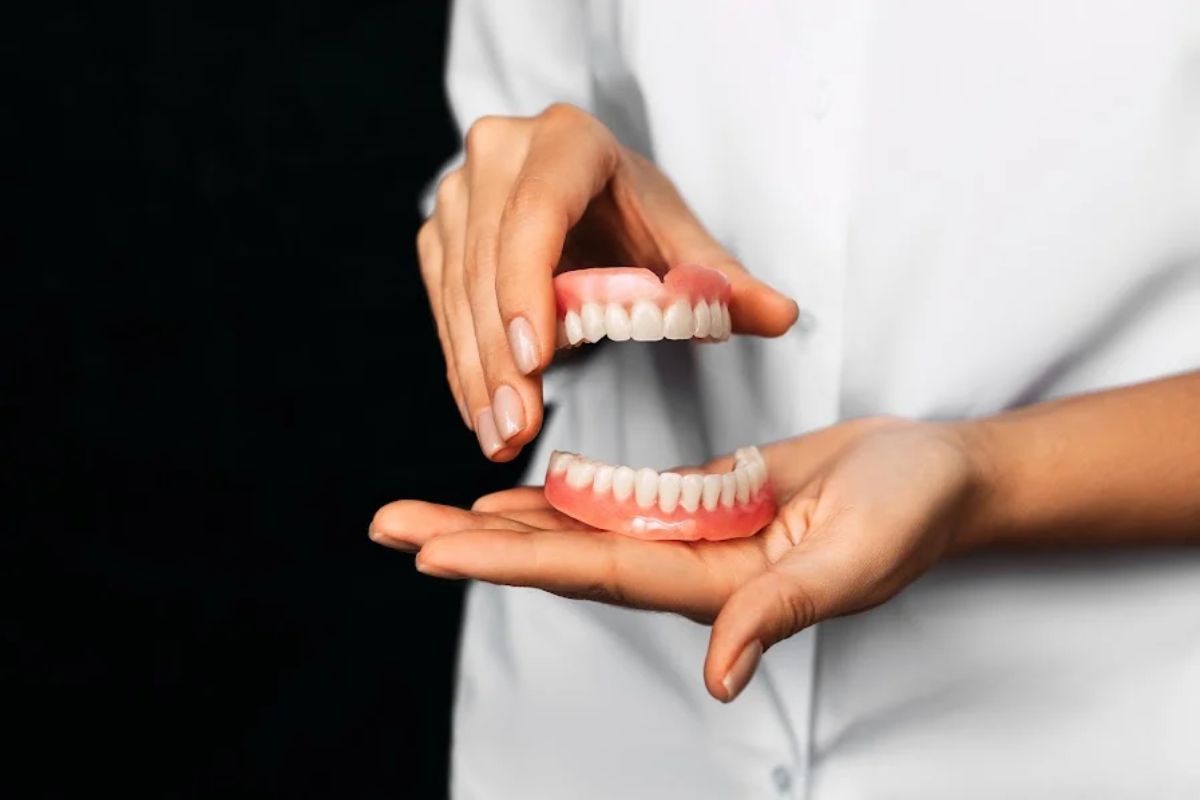
Missing several teeth can affect your comfort and confidence during daily activities. Even a few gaps may change how you chew, speak, and interact with others. Partial dentures offer one way to replace multiple missing teeth without removing healthy remaining teeth. They may be suitable for patients who prefer a removable restoration. For Charleston residents, understanding partial dentures in Charleston can help clarify available tooth replacement options. At Drs. Monday and Graziani, we evaluate oral health before recommending restorative treatment. What Are Partial Dentures? Partial dentures are removable dental appliances designed to replace several missing teeth. They are used when some healthy natural teeth remain in the mouth. A partial denture generally includes replacement teeth attached to a supporting framework. The framework may use metal, acrylic, or other suitable dental materials. Depending on the design, the appliance may receive support from natural teeth and surrounding oral tissues. Certain designs also use clasps or specialized attachments for retention. Each partial denture is planned around the patient’s existing teeth. Proper fit and bite relationships are important for comfortable everyday function. Why Replacing Several Missing Teeth Matters Missing teeth can influence more than appearance. They may affect chewing efficiency and encourage patients to avoid certain foods. Natural teeth can also shift when neighboring spaces remain empty. These changes may complicate future restorative treatment. Tooth loss can influence how biting forces are distributed. Remaining teeth may experience additional pressure during chewing. Replacement teeth can help support everyday oral function. However, the benefits depend on the design and condition of supporting tissues. Different Types of Partial Dentures Cast Metal Partial Dentures Cast metal partial dentures use a metal framework to connect replacement teeth. Their design can provide strength while limiting unnecessary bulk. The appliance may use clasps or rests attached to remaining teeth. These features help support and retain the restoration. A dentist must assess whether the remaining teeth provide adequate support. Framework design is particularly important for long-term stability. Acrylic Partial Dentures Acrylic partial dentures use a resin base to support replacement teeth. They may be considered for temporary or selected longer-term situations. Some acrylic designs are bulkier than metal frameworks. Their durability and comfort depend on construction and individual oral conditions. Your dentist will explain whether an acrylic partial meets your needs. The appropriate material depends on support requirements and treatment goals. Flexible Partial Dentures Flexible partial dentures use pliable materials for certain components. Some patients prefer their appearance because clasps may be less noticeable. However, flexible materials are not suitable for every situation. Support, maintenance, and repair limitations can influence their usefulness. Your dentist should evaluate the advantages and limitations before recommending a flexible design. Long-term function matters as much as appearance. Partial Dentures vs. Dental Bridges A dental bridge replaces missing teeth using supporting teeth or implants. Conventional bridges are usually fixed in place rather than removed daily. Partial dentures can replace teeth in multiple areas using one removable appliance. They may be considered when several gaps exist across the same arch. A bridge may provide a different chewing experience. However, conventional bridges often require preparation of neighboring supporting teeth. Partial dentures require daily removal and cleaning. The appropriate choice depends on the number of missing teeth, supporting structures, and patient preferences. Partial Dentures vs. Dental Implants Dental implants replace missing roots with posts positioned within the jawbone. They can support crowns, bridges, or selected dentures. Partial dentures generally avoid the surgery required for implant placement. This may appeal to patients who prefer a nonsurgical restoration. However, removable dentures and implants provide different levels of support. Conventional partial dentures may experience movement during certain activities. Implants also require sufficient bone and appropriate overall health. A dental examination can help determine which options are clinically suitable. Will Partial Dentures Feel Comfortable? New partial dentures often require an adjustment period. Patients may initially notice additional bulk or changes in tongue movement. Speaking and chewing can feel unfamiliar during the first several days. Gradual adaptation is common as the mouth adjusts to the appliance. However, persistent pain or significant rubbing is not something patients should ignore. Your dentist can examine the fit and make necessary adjustments. Avoid attempting to reshape the denture yourself. Improper modifications can damage the appliance and affect its function. Eating With Partial Dentures Eating comfortably with new dentures takes practice. Begin with softer foods and manageable portions while adjusting to the appliance. Chew slowly and distribute food across both sides when possible. This may help reduce uneven pressure and unwanted movement. Avoid particularly sticky or hard foods during the early adjustment period. Your dentist can provide guidance based on your denture design. Over time, many patients become more comfortable with different food textures. However, chewing ability varies with the number of remaining teeth and appliance stability. How to Clean Partial Dentures Properly Partial dentures need daily cleaning to remove plaque and food particles. Bacterial buildup can contribute to odor, staining, and gum irritation. Remove the appliance and clean it using products recommended by your dentist. Avoid abrasive household cleaners that may damage denture materials. Natural teeth must also receive thorough brushing and interdental cleaning. Supporting teeth are especially important because their condition influences denture stability. Store the appliance according to your dentist’s instructions. Some dentures need moisture during storage, while others have different material requirements. Regular dental appointments allow the appliance and supporting tissues to be examined. Adjustments may become necessary as oral conditions change. Can Partial Dentures Last for Many Years? Partial dentures can remain functional for several years with appropriate care. However, their lifespan varies based on materials, fit, and oral changes. The jawbone and gum tissues may change after tooth loss. These changes can gradually affect denture stability. Remaining natural teeth may also develop new dental problems. Decay or gum disease can alter how the appliance is supported. Routine evaluations help identify problems before the restoration becomes uncomfortable. Some appliances eventually require relining, repair, or replacement. Replace Missing Teeth With Personalized Care in Charleston Several missing teeth do not have to prevent you from enjoying everyday activities. Partial dentures may provide a practical solution for suitable patients. At Drs. Monday and Graziani, we offer restorative dental care based on each patient’s needs. Our dentists can explain partial dentures and other replacement options after evaluating your oral health. Call 304-343-1216 to schedule a consultation at our Charleston office. Learn which restoration may help improve your chewing function and everyday comfort. Frequently Asked Questions 1. Can partial dentures replace several missing teeth? Yes, partial dentures can replace multiple missing teeth while using remaining natural teeth for support. Their design depends on tooth location, oral health, and available supporting structures. A dentist will assess your mouth before recommending a suitable appliance. 2. Are partial dentures comfortable for everyday use? Many patients adapt to properly fitted partial dentures after an adjustment period. Initially, speaking and chewing may feel unfamiliar. Persistent soreness or movement requires professional evaluation because adjustments may improve the fit and comfort. 3. Do partial dentures damage healthy teeth? Properly designed and maintained partial dentures can function without unnecessarily damaging supporting teeth. However, plaque accumulation, poor fit, and excessive pressure may contribute to problems. Daily cleaning and regular examinations help protect the remaining natural teeth. 4. Should partial dentures be removed at night? Many patients are advised to remove partial dentures while sleeping. This allows oral tissues to rest and makes thorough cleaning easier. Your dentist will provide specific instructions based on your appliance and individual oral health needs.Ready to see us?
New patients are always welcome.
Book an appointmentCall us (304) 343-1216