

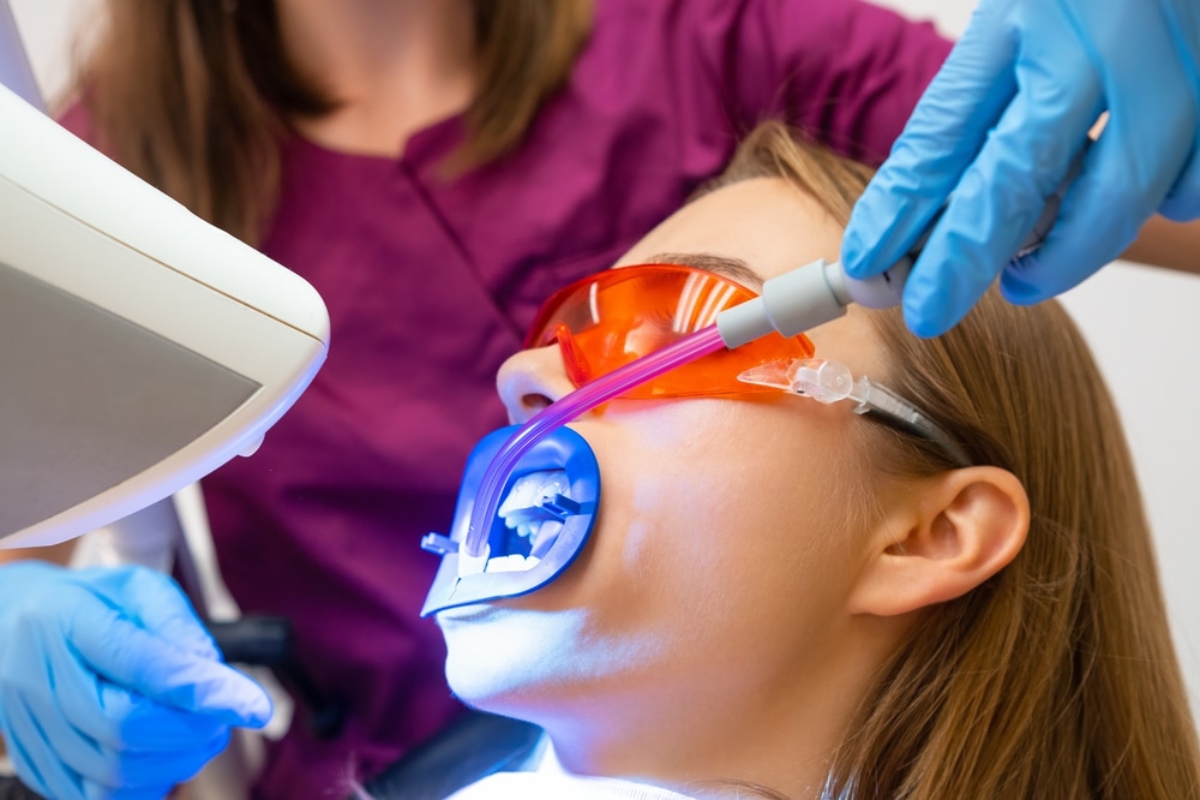
A dazzling white smile is a highly sought-after aesthetic goal for many, and professional Teeth Whitening Charleston treatments offer a fantastic way to achieve it. However, if you’ve ever experienced that sharp, sometimes uncomfortable sensation after a whitening session, you’re not alone. Tooth sensitivity is a common side effect of teeth whitening, but it doesn’t have to deter you from achieving the bright smile you desire. At Drs. Monday & Graziani P.L.L.C, your trusted dentist in Charleston, we believe in empowering our patients with knowledge, so let’s explore why sensitivity occurs and what you can do about it.
The Science Behind Whitening Sensitivity
To understand why your teeth might feel sensitive after whitening, it helps to know how the process works. Professional teeth whitening uses a bleaching agent, typically hydrogen peroxide or carbamide peroxide, to break down stains on your tooth enamel. These active ingredients penetrate the outer layer of your teeth.
Temporary Increase in Enamel Porosity
When the whitening gel interacts with your enamel, it temporarily increases the enamel’s porosity. This means that the tiny tubules within the dentin layer, which lies beneath the enamel, become more exposed. These tubules lead directly to the tooth’s pulp, where the nerves are located.
Irritation of Dental Nerves
With the dentin tubules more exposed, the nerves inside your teeth become more susceptible to external stimuli like hot, cold, sweet, or acidic foods and drinks, and even cold air. This heightened sensitivity is typically temporary, lasting anywhere from a few hours to a couple of days, though in some cases, it can persist longer.
Factors Influencing Sensitivity Levels
Several factors can influence the degree of sensitivity you might experience:
- Concentration of Whitening Agent: Higher concentrations of peroxide in the whitening gel tend to cause more sensitivity. Professional treatments often use stronger concentrations for faster, more dramatic results.
- Duration of Treatment: The longer the whitening gel is in contact with your teeth, the greater the chance of sensitivity.
- Pre-existing Dental Conditions: If you already have pre-existing conditions like gum recession (where the root surfaces are exposed), untreated cavities, cracked teeth, or thin enamel, you may be more prone to sensitivity. It’s crucial to address these issues before undergoing whitening.
- Application Method: Ill-fitting over-the-counter trays can allow the whitening gel to come into contact with your gums, causing irritation and contributing to overall discomfort. This is why professional, custom-fitted trays are often recommended.
How to Minimize and Manage Teeth Whitening Sensitivity
While some degree of sensitivity is normal, there are several effective strategies to minimize discomfort and ensure a more pleasant whitening experience.
Before Your Whitening Treatment
Taking preventative steps before your Teeth Whitening Charleston session can significantly reduce post-treatment sensitivity:
- Consult Your Dentist: Always have a thorough dental check-up with your dentist in Charleston before whitening. They can identify and treat any underlying issues like cavities or gum disease that could exacerbate sensitivity.
- Use a Desensitizing Toothpaste: Your dentist might recommend using a toothpaste formulated for sensitive teeth (containing ingredients like potassium nitrate or strontium chloride) for a couple of weeks prior to your whitening appointment. These toothpastes help block nerve signals to reduce sensitivity.
- Brush Gently: Avoid aggressive brushing, especially in the days leading up to your treatment, to prevent further enamel wear or gum irritation.
During and After Your Whitening Treatment
Once you’ve had your whitening, these tips can help manage any discomfort:
- Temporary Dietary Adjustments: For the first 24-48 hours after whitening, try to avoid extremely hot or cold foods and drinks, as well as highly acidic or sugary items. Opt for lukewarm or room-temperature options.
- Continue Desensitizing Toothpaste: Keep using your desensitizing toothpaste regularly after your treatment to continue soothing your teeth.
- Rinse with Fluoride: Your dentist may recommend a fluoride rinse or gel, as fluoride helps remineralize and strengthen enamel, which can reduce sensitivity.
- Over-the-Counter Pain Relievers: For temporary relief, over-the-counter pain medications like ibuprofen can help manage any lingering discomfort. Always follow dosage instructions.
- Adjust Whitening Frequency: If using at-home kits, your dentist might suggest reducing the frequency or duration of your whitening sessions to allow your teeth more time to recover.
- Soft-Bristled Toothbrush: Continue to use a soft-bristled toothbrush and brush gently to avoid irritating sensitive areas.
At Drs. Monday & Graziani P.L.L.C, we prioritize your comfort and the health of your smile. We use professional-grade products and techniques to deliver effective Teeth Whitening Charleston results with minimal sensitivity. If you’re considering teeth whitening and have concerns about sensitivity, or if you experience persistent discomfort, don’t hesitate to reach out to your dentist in Charleston. We’re here to help you achieve a bright, confident, and comfortable smile.