

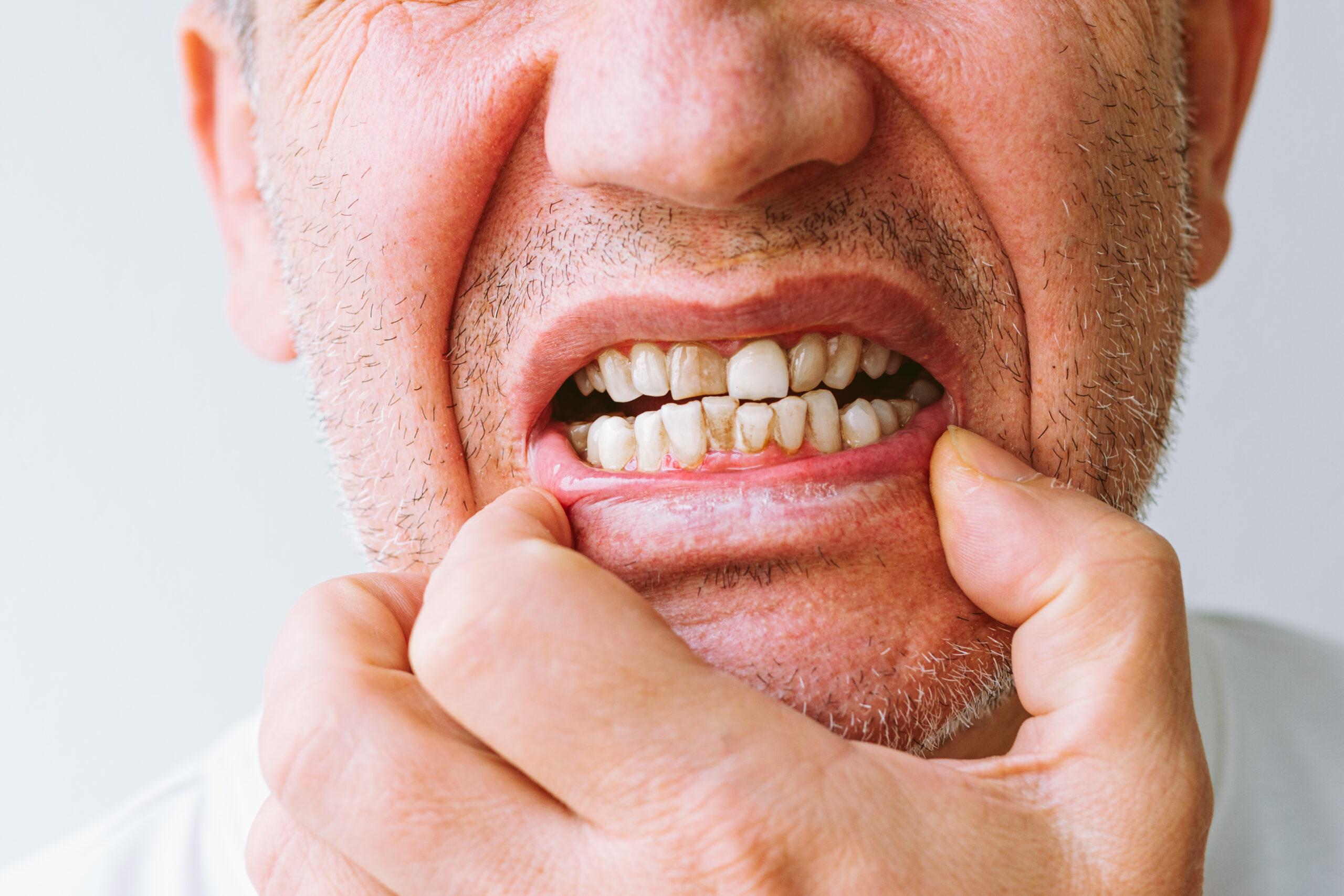
It’s common to notice a small dark spot on a tooth while brushing or catching your reflection in photos. For some people, it raises a simple question—“Is this just a stain, or something more?” Others feel a bit self-conscious, especially before social events, work meetings, or family gatherings around Charleston or Hurricane.
In many cases, these spots are harmless surface stains, but sometimes they can point to deeper changes in the tooth. Understanding the difference can help you decide what to do next. For patients exploring cosmetic dental treatments, there are several conservative ways to improve the appearance of these spots while supporting overall oral health.
What Are Dark Spots on Teeth?
Dark spots can appear as small brown, black, or gray areas on the surface of a tooth. Some are superficial, sitting on the outer enamel layer, while others may develop from changes beneath the surface.
From a dental perspective, these spots generally fall into two categories:
- Extrinsic stains – caused by external factors like food, drinks, or tobacco
- Intrinsic discoloration – changes within the tooth structure itself
Not all discoloration is a health concern. However, if a spot changes in size, texture, or sensitivity, it’s worth having it evaluated to rule out early decay or enamel wear.
Common Causes of Dark Spots on Teeth
In everyday practice, several patterns tend to show up when patients ask about discoloration:
- Coffee, tea, and red wine
These beverages contain pigments that can gradually darken enamel over time. - Tobacco use
Smoking or chewing tobacco often leads to more stubborn, darker stains. - Oral hygiene habits
Plaque buildup can trap stains and make them more noticeable. - Enamel wear
As enamel thins, the underlying dentin (which is naturally darker) can show through. - Fluorosis or medication-related staining
These may cause spots that develop earlier in life and don’t respond easily to standard whitening. - Early tooth decay
In some cases, a dark spot can represent the beginning of a cavity, though not all spots indicate damage.
Are Dark Spots Always a Sign of a Dental Problem?
Not necessarily. Many dark spots are purely cosmetic and don’t affect the strength or health of the tooth.
That said, the appearance alone doesn’t always tell the full story. A surface stain may look similar to early decay, which is why a clinical evaluation can be helpful. Dentists look at texture, location, and surrounding enamel to determine whether treatment is needed or if the spot can simply be monitored.
How Cosmetic Dentistry Can Improve Tooth Discoloration
When discoloration affects how you feel about your smile, there are several ways to address it. The approach depends on the cause, depth, and location of the spot, as well as your overall oral health.
Professional Teeth Whitening
For many patients, whitening is the first step.
- Designed to lift surface stains safely
- Performed under controlled conditions to protect enamel
- Often effective for stains caused by coffee, tea, or aging
Whitening works best when discoloration is external and evenly distributed.
Dental Bonding for Spot Corrections
Bonding can be helpful for small, localized dark areas.
- A tooth-colored material is applied and shaped over the spot
- Blends naturally with surrounding enamel
- Typically completed in a single visit
This option is often chosen when only one or two areas need improvement.
Porcelain Veneers for Deeper Stains
When discoloration doesn’t respond to whitening, veneers may be considered.
- Thin porcelain coverings placed on the front of the teeth
- Designed to improve color, shape, and overall balance
- Offer a longer-term solution for deeper or intrinsic staining
Veneers are usually part of a more comprehensive, carefully planned approach.
Crowns in Cases of Structural Damage
If a tooth is both discolored and weakened, a crown may be appropriate.
- Covers and protects the entire tooth
- Restores both strength and appearance
- Often used when damage or large restorations are present
This option focuses on both function and aesthetics together.
How a Cosmetic Dentist Evaluates Dark Spots
Before recommending any treatment, the first step is understanding the cause.
A typical evaluation includes:
- A visual exam to assess color and texture
- Determining whether the stain is surface-level or internal
- Checking the condition of the enamel and surrounding teeth
- Looking for signs of wear, decay, or past dental work
- Discussing your goals and concerns
In many cases, a conservative approach is recommended first. Not every dark spot needs immediate treatment, and sometimes simple solutions can make a noticeable difference.
Considering Your Next Step
If you’ve noticed dark spots and are unsure what they mean, having a conversation during a routine dental visit can bring clarity. Many patients in Charleston and Hurricane find it helpful to understand whether a spot is purely cosmetic or something to monitor over time.
If you’d like to explore your options or better understand what’s causing the discoloration, you can contact our Charleston office to continue the conversation in a comfortable, supportive setting.
FAQs
What causes dark stains on teeth that won’t go away?
Stains that persist are often deeper within the tooth or have built up over time. These may not respond to over-the-counter products and may require professional care or cosmetic solutions.
Can teeth whitening remove all types of stains?
Whitening is most effective for surface stains. Deeper discoloration, such as from medication or enamel changes, may require other treatments like bonding or veneers.
Are dark spots always cavities?
No, many dark spots are harmless stains. However, some may indicate early decay, so it’s important to have them evaluated to be sure.
How long do cosmetic treatments for stains last?
Results vary depending on the treatment and daily habits. Whitening may require occasional touch-ups, while bonding and veneers can last for several years with proper care.
Is bonding or veneers better for discoloration?
It depends on the extent of the discoloration. Bonding is often used for small areas, while veneers are better suited for more widespread or deeper changes in color.