
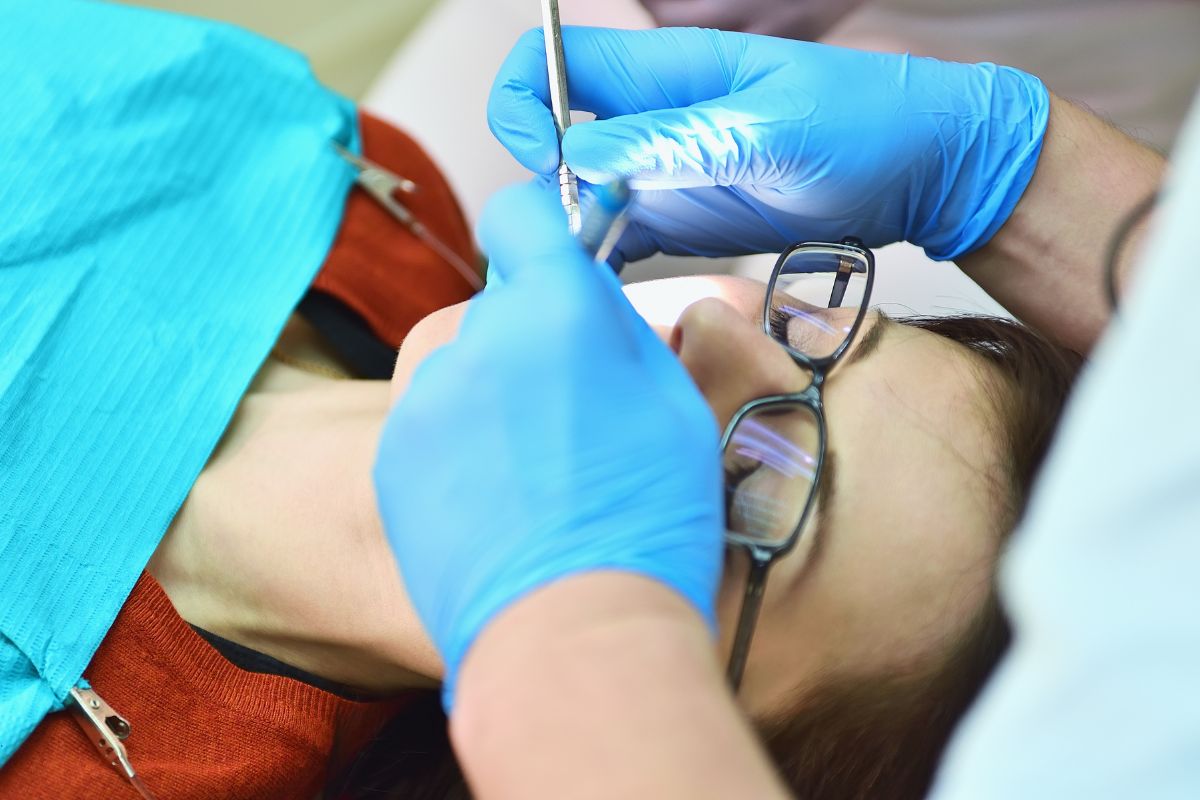
When it comes to maintaining and improving oral health, oral surgeons in Charleston play a pivotal role in handling complex dental procedures that go beyond the scope of general dentistry. Whether you’re dealing with severe dental issues or planning for restorative treatments, understanding the common procedures performed by oral surgeons can help you make informed decisions about your care. This guide highlights the top five procedures you might encounter with an oral surgeon in Charleston and explains why these specialists are crucial to your overall dental health.
1. Wisdom Teeth Removal
Why It’s Necessary:
Wisdom teeth, or third molars, often cause problems due to lack of space in the mouth. They may become impacted, leading to pain, infection, and potential damage to adjacent teeth. Wisdom teeth removal is one of the most common procedures performed by oral surgeons in Charleston.
The Procedure:
The removal of wisdom teeth is usually done under local anesthesia, although sedation options are available for those who are anxious or require more complex extractions. The oral surgeon makes an incision in the gum to access the tooth, which is then carefully removed. In some cases, the surgeon may need to remove the tooth in sections to minimize disruption to the surrounding tissues.
Recovery:
Post-surgery, patients might experience swelling and discomfort, which can be managed with prescribed pain relievers and ice packs. Following the oral surgeon’s aftercare instructions is essential for a smooth recovery and to avoid complications such as dry socket.
2. Dental Implant Placement
Why It’s Necessary:
Dental implants are a popular solution for replacing missing teeth. They provide a stable foundation for artificial teeth and help maintain the integrity of the jawbone. Oral surgeons in Charleston are experts in placing these implants with precision.
The Procedure:
The process begins with a thorough assessment, including X-rays and possibly 3D imaging, to plan the placement of the implant. During the procedure, the oral surgeon places a titanium post into the jawbone, which will eventually fuse with the bone in a process called osseointegration. This post acts as a replacement root for the artificial tooth.
Recovery:
Recovery from dental implant placement involves a period of healing where the implant integrates with the bone. Patients should follow post-operative care instructions, including maintaining good oral hygiene and avoiding hard foods. After the healing period, a crown is placed on the implant to complete the restoration.
3. Corrective Jaw Surgery
Why It’s Necessary:
Corrective jaw surgery, or orthognathic surgery, is performed to correct misalignments of the jaw that affect chewing, speaking, or overall oral function. This procedure can also improve the aesthetic appearance of the face.
The Procedure:
Corrective jaw surgery involves repositioning the upper or lower jaw, or both, to achieve proper alignment. The procedure may require cutting and repositioning the jawbones and securing them with plates and screws. This surgery is often planned with detailed imaging and models of the patient’s jaw.
Recovery:
Post-surgery, patients may experience swelling, bruising, and discomfort. A special diet consisting of soft foods is recommended during the initial recovery phase. Orthodontic treatment may also be required to fine-tune the bite after the surgery.
Read More: Should an Oral Surgeon Remove Wisdom Teeth?
4. Treatment of Oral Pathologies
Why It’s Necessary:
Oral pathologies include conditions such as tumors, cysts, and lesions within the mouth. Oral surgeons in Charleston are trained to diagnose and treat these issues, which can range from benign growths to more serious conditions.
The Procedure:
The treatment of oral pathologies often involves surgical removal of the affected tissue. This may be done under local anesthesia or sedation, depending on the complexity of the case. The oral surgeon will work to ensure complete removal of the pathology while preserving as much healthy tissue as possible.
Recovery:
Recovery involves monitoring the surgical site for signs of infection or complications. Patients may need follow-up appointments to ensure proper healing and to discuss any further treatment if necessary.
5. Bone Grafting
Why It’s Necessary:
Bone grafting is commonly performed in preparation for dental implants, especially in cases where there is insufficient bone density in the jaw. This procedure helps to rebuild and strengthen the bone to support the implant securely.
The Procedure:
During a bone grafting procedure, the oral surgeon adds bone material to the area where bone loss has occurred. This material can be sourced from the patient’s own body, a donor, or a synthetic source. The grafting material will integrate with the existing bone over time.
Recovery:
Recovery from bone grafting involves a period of healing where the graft material fuses with the natural bone. Patients should adhere to post-operative care instructions and attend follow-up appointments to ensure successful integration and preparation for future dental procedures.
Oral surgeons in Charleston offer a range of specialized procedures designed to address complex dental issues and enhance oral health. Whether you’re facing the removal of wisdom teeth, considering dental implants, or in need of corrective jaw surgery, these experts provide essential care that goes beyond routine dental visits. Understanding these common procedures and what to expect can help you feel more prepared and confident about your treatment options.
Alos Read: Dental Emergencies, How to Confidently Handle Unexpected Oral Problems
If you have questions or need to schedule a consultation, reach out to a qualified oral surgeon in Charleston. They can provide personalized advice and comprehensive care to ensure your dental health and comfort throughout the entire process.
For additional cosmetic and general dental care, including services like teeth whitening and routine check-ups, don’t hesitate to consult with a dentist in Charleston. Combining the expertise of oral surgeons with the preventive and cosmetic care provided by general dentists ensures a well-rounded approach to your dental health.