
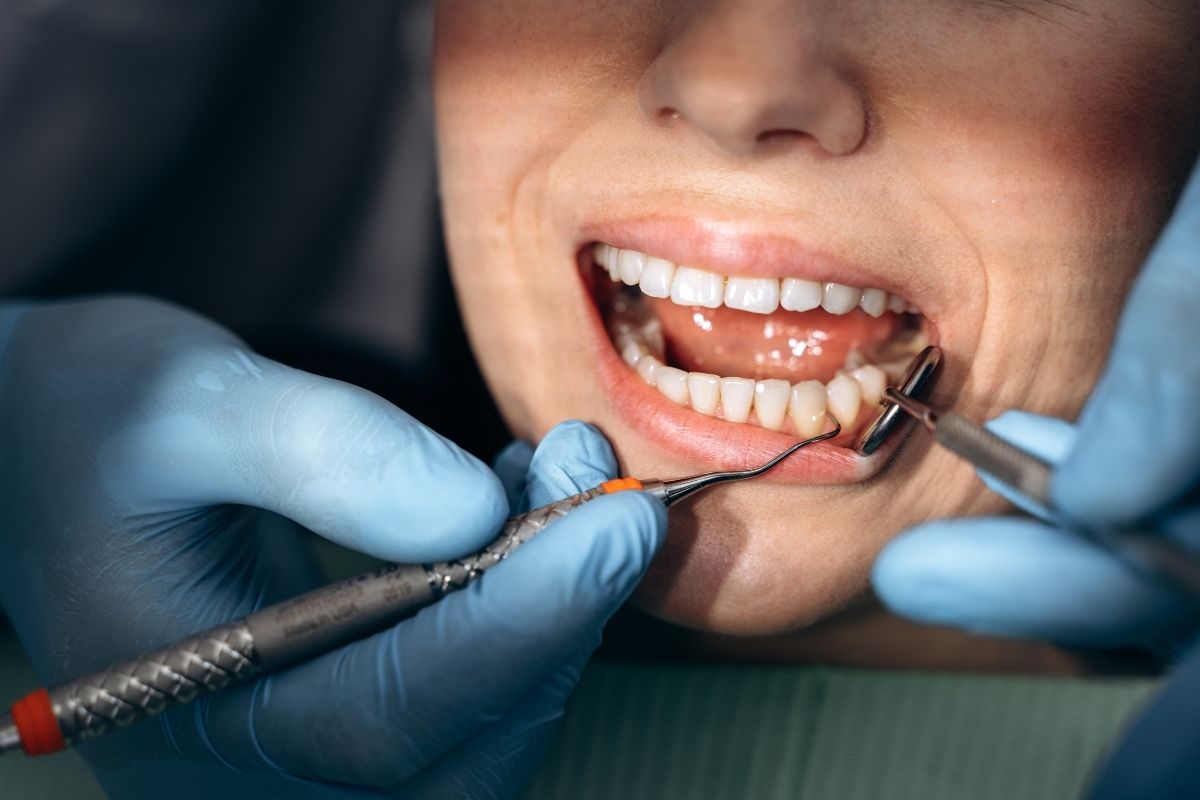
When most people think about dentistry, they often picture cleanings, cavity fillings, or whitening treatments. However, restorative dentistry goes beyond just keeping your smile bright—it plays a vital role in your overall health, especially when it comes to chewing and digestion. If you’ve ever struggled with damaged or missing teeth, you already know how difficult eating can be. The good news is that restorative dental treatments can significantly improve how well you chew your food, which in turn supports better digestion and overall well-being.
Why Chewing Matters for Digestion
Chewing, also known as mastication, is the very first step of the digestive process. Before food even reaches your stomach, your teeth and saliva work together to break it down. Proper chewing ensures that food particles are small enough to be easily digested and that nutrients can be absorbed efficiently by your body.
When teeth are damaged, missing, or misaligned, chewing becomes difficult. Many people compensate by swallowing larger pieces of food or avoiding certain foods altogether. This not only limits your diet but can also lead to digestive issues like indigestion, bloating, and poor nutrient absorption.
That’s where a restorative dentist in Hurricane can make a big difference. By repairing and restoring the function of your teeth, you can chew comfortably again and enjoy a healthier digestive system.
Common Restorative Dental Treatments That Help Chewing
Restorative dentistry offers a wide range of treatments designed to rebuild your smile and improve oral function. Here are some of the most effective solutions:
1. Dental Crowns
Crowns are used to cover and protect teeth that are cracked, worn down, or weakened. By restoring strength and structure, crowns make it easier to bite and chew without discomfort.
2. Dental Bridges
Missing teeth often create gaps that make chewing uneven and difficult. A bridge replaces one or more missing teeth, helping restore a natural bite pattern and preventing strain on surrounding teeth.
3. Dental Implants
Implants are one of the most reliable solutions for tooth loss. They function just like natural teeth, allowing you to chew foods with confidence. Unlike removable dentures, implants are stable, making them a long-lasting option for restoring both function and appearance.
4. Dentures
For patients missing several or all of their teeth, modern dentures are designed to fit comfortably and support chewing efficiency. Even though they aren’t as stable as implants, today’s dentures are much more natural and functional than older versions.
5. Tooth-Colored Fillings
Cavities or worn fillings can make chewing painful. Restorative dentists replace damaged areas with durable, tooth-colored materials that not only look natural but also restore full biting power.
How Restorative Dentistry Improves Digestion
When your teeth are restored, the benefits go beyond your smile. Here’s how chewing and digestion improve:
- Efficient Food Breakdown: Properly restored teeth allow you to chew food thoroughly, making it easier for your stomach to process.
- Better Nutrient Absorption: Smaller, well-chewed food particles are digested more effectively, meaning your body absorbs more vitamins and minerals.
- Comfortable Eating: Pain or sensitivity when chewing often leads to avoiding hard or nutritious foods like fruits, vegetables, and proteins. Restorative treatments allow you to enjoy a full diet again.
- Reduced Digestive Problems: Swallowing large chunks of food can strain your stomach and intestines. With restored teeth, digestion becomes smoother and more comfortable.
The Whole-Body Benefits of Restorative Dentistry
Beyond chewing and digestion, restorative dentistry can also improve your quality of life in many ways:
- Improved Speech: Missing or damaged teeth can affect how you pronounce words. Restorations help bring back clear speech.
- Boosted Confidence: Smiling, laughing, and eating in public all become easier when you feel good about your teeth.
- Preventing Further Issues: Addressing dental problems early can prevent more serious conditions like gum disease, bone loss, or additional tooth loss.
When to See a Restorative Dentist
If you experience pain while eating, have missing teeth, or notice that you’re avoiding certain foods, it may be time to consult a restorative dentist in Hurricane. These issues are not just cosmetic – they can significantly impact your overall health. Restorative dentistry provides solutions tailored to your unique needs, ensuring that your smile is both functional and beautiful.
Take the First Step Toward Better Digestion
Improving your chewing ability isn’t just about enjoying meals again—it’s about supporting your overall health. By restoring your teeth, you allow your body to digest food properly, absorb nutrients more efficiently, and reduce unnecessary strain on your digestive system.
If you’re ready to improve your oral health and enjoy all the benefits of a fully functional smile, don’t wait. Contact a trusted restorative dentist in Hurricane today and book an appointment. With the right care, you’ll not only smile brighter but also feel healthier from the inside out.