
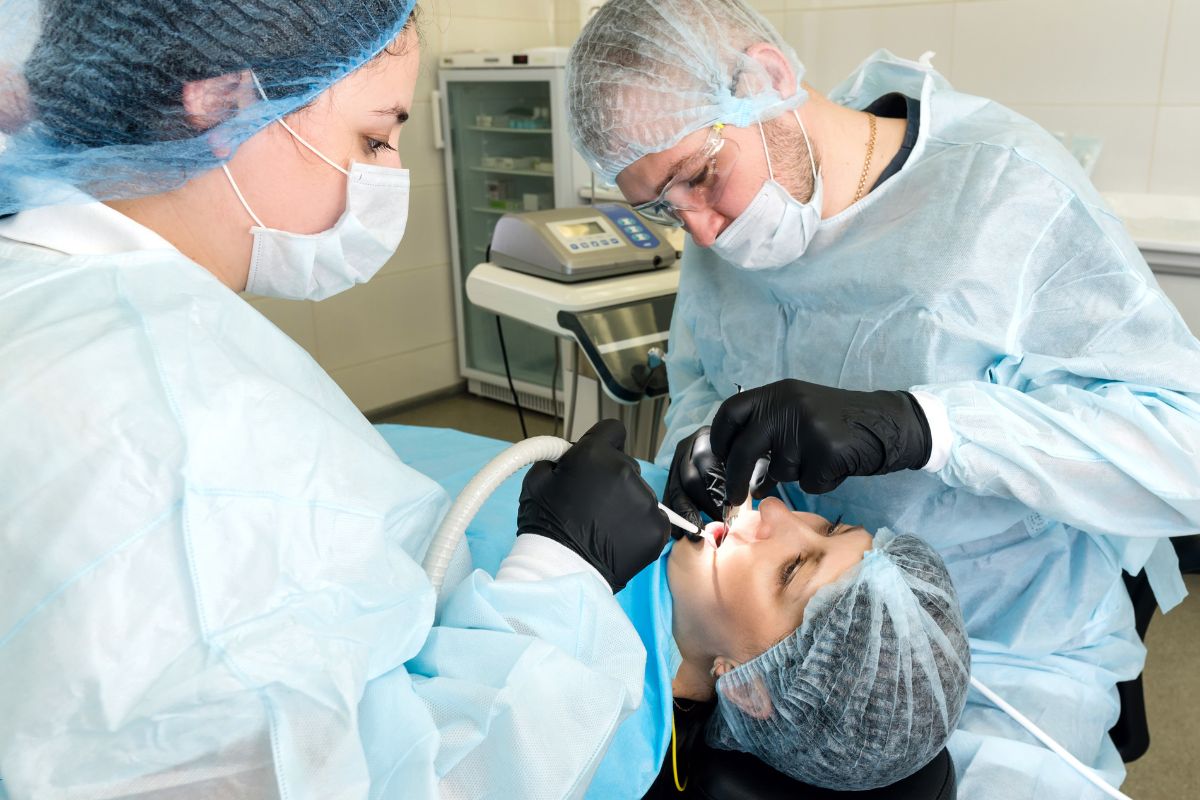
Undergoing oral surgery can be a pivotal moment in your dental health journey, offering solutions to a variety of dental issues such as impacted teeth, jaw alignment problems, or restorative procedures. For patients in Charleston, understanding what to expect during recovery can significantly ease the process and ensure a smoother healing experience. This guide will provide essential information for recovering from oral surgery, including tips from oral surgeons in Charleston and general guidelines on how to manage your recovery effectively.
What to Expect After Oral Surgery
The period following oral surgery is crucial for successful healing and optimal outcomes. Recovery can vary depending on the complexity of the procedure and your individual health. Here’s what you need to know to prepare for a smooth recovery:
1. Immediate Post-Operative Care
- Rest and Relaxation: After surgery, it’s important to rest and avoid strenuous activities. Give yourself time to recover, and follow your oral surgeon’s instructions for rest. Avoiding heavy lifting and physical exertion helps your body focus on healing.
- Managing Discomfort: Some discomfort and swelling are normal after oral surgery. Your oral surgeon in Charleston will likely prescribe pain medication or recommend over-the-counter options. Take these medications as directed to manage pain and reduce inflammation.
- Cold Compresses: Applying a cold compress to your face can help minimize swelling and numb the area. Use the compress for 15-20 minutes at a time, taking breaks in between.
2. Dietary Recommendations
- Soft Foods: Stick to soft foods and liquids for the first few days following your surgery. Foods like yogurt, mashed potatoes, and smoothies are gentle on your healing tissues and help avoid irritation.
- Hydration: Drink plenty of water to stay hydrated. Avoid hot or acidic beverages, as they can irritate the surgical site. Ensure that your beverages are at room temperature or cold.
3. Oral Hygiene
- Gentle Brushing: Continue to brush your teeth but avoid the area of surgery to prevent dislodging any stitches or causing irritation. Use a soft-bristled toothbrush and be gentle around the surgical site.
- Rinsing: Your oral surgeon may recommend using a prescribed mouth rinse or a saline solution to help keep the area clean and promote healing. Avoid using commercial mouthwashes that contain alcohol, as they can be too harsh.
Read Now: Post-Procedure Care: How Charleston Patients Can Ensure the Longevity of Their Dental Implants
4. Activity Restrictions
- Avoid Smoking and Alcohol: Smoking and alcohol can interfere with healing and increase the risk of complications. Avoid these substances for at least 48 hours post-surgery or as advised by your oral surgeon.
- Follow-Up Appointments: Attend all follow-up appointments with your oral surgeon or dentist to monitor your recovery progress. These visits are essential for ensuring that healing is progressing as expected and to address any concerns you may have.
Tips from Charleston’s Oral Surgeons
Oral surgeons in Charleston are experienced in helping patients recover from a variety of surgical procedures. Here are some expert tips to ensure a smooth and speedy recovery:
- Stay Ahead of Pain: Don’t wait until the pain becomes unbearable. Take your prescribed pain medications or over-the-counter options as directed, even if you are not in severe pain. This can help manage discomfort and reduce the need for stronger medications.
- Elevate Your Head: When resting, keep your head elevated with pillows to reduce swelling. This position helps prevent fluid from accumulating around the surgical site.
- Follow Instructions: Adhere strictly to the post-operative care instructions provided by your oral surgeon. This includes medication schedules, dietary restrictions, and any specific care instructions for the surgical site.
More To Read: What to Expect During Your First Visit to a Charleston Dentist
When to Contact Your Oral Surgeon
While most recoveries proceed without complications, it’s important to know when to contact your oral surgeon. Reach out to your oral surgeon in Charleston if you experience:
- Severe Pain: If you have severe or worsening pain that isn’t relieved by medication, it may indicate a problem that needs attention.
- Excessive Swelling or Bleeding: Some swelling and minor bleeding are normal, but if you experience excessive swelling or prolonged bleeding, seek advice from your oral surgeon.
- Signs of Infection: Symptoms such as fever, persistent redness, or pus around the surgical site could be signs of an infection. Prompt attention can prevent further complications.
The Role of Your Charleston Dentist in Recovery
Your dentist plays a vital role in your overall oral health, both before and after oral surgery. Here’s how your Charleston dentist can support your recovery:
- Pre-Surgical Planning: Your dentist may help coordinate with your oral surgeon to ensure that you are fully prepared for the surgery. This includes addressing any pre-existing dental issues that could impact the surgery.
- Post-Surgical Care: After the initial recovery period, your dentist will assist in monitoring the healing process and address any issues that may arise. Regular check-ups will help ensure that the surgical site is healing correctly and that your oral health remains optimal.
Long-Term Care and Maintenance
Once your initial recovery phase is complete, maintaining good oral hygiene and regular dental visits are crucial for long-term success. Here’s how you can ensure ongoing oral health:
- Maintain Good Oral Hygiene: Continue with your daily oral hygiene routine, including brushing and flossing. This helps prevent future dental issues and maintains the health of your gums and teeth.
- Regular Dental Visits: Keep up with routine dental check-ups and cleanings. These visits help detect any potential issues early and ensure that your dental implants or other treatments are functioning as expected.
Also Read: The Complete Guide to Dental Implants in Charleston: What to Expect Before, During, and After
Recovering from oral surgery is a significant aspect of ensuring the success of your procedure and maintaining your overall oral health. By following the guidance provided by your oral surgeon in Charleston and adhering to post-operative care instructions, you can facilitate a smooth and effective recovery. Remember that your dentist also plays a key role in supporting your oral health before, during, and after the surgery. With proper care and attention, you can look forward to enjoying the benefits of your oral surgery and maintaining a healthy, confident smile.