

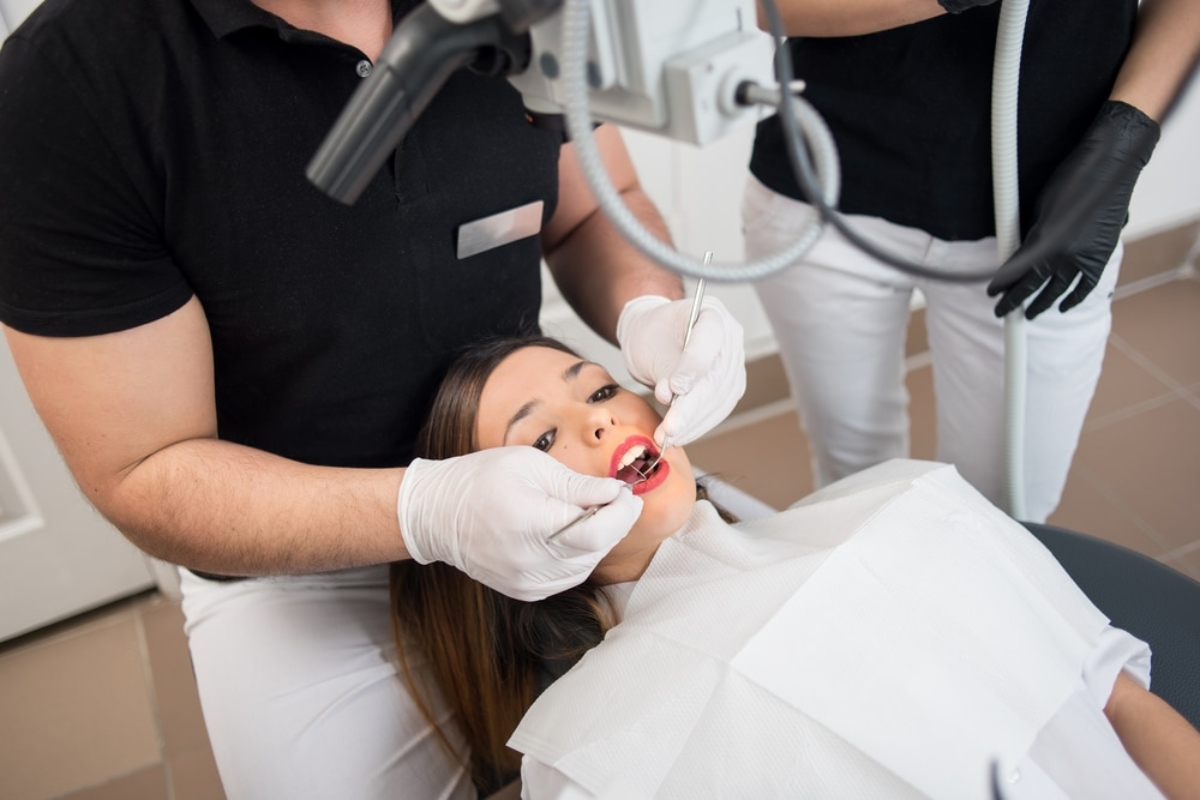
Undergoing an endodontic therapy procedure, often referred to as a root canal, is a crucial step in saving a tooth that has become infected or severely damaged. While the primary focus is on alleviating pain and restoring the tooth’s health, a common concern for patients in Charleston is the recovery timeline. At Drs. Monday & Graziani P.L.L.C., we understand that you want to return to your normal routine as quickly and comfortably as possible. This blog will provide a comprehensive overview of what you can typically expect during your recovery period following essential endodontic procedures.
Understanding the Nature of Endodontic Treatment and Initial Discomfort
Endodontic treatment involves carefully removing the infected or inflamed pulp from the inside of your tooth, cleaning and disinfecting the root canal system, and then filling and sealing it. While we take every measure to ensure your comfort during the procedure with local anesthesia, it’s normal to experience some mild discomfort in the days following treatment. This post-root canal sensitivity is a natural part of the healing process as the tissues around the treated tooth begin to settle down. Understanding this initial phase can help manage expectations and alleviate any unnecessary anxiety about your healing after root canal treatment.
The Typical Recovery Timeline: What to Expect Day by Day
The recovery period after an endodontic procedure is generally shorter than many other dental surgeries. Here’s a general timeline of what you might expect:
-
Immediately After the Procedure (Day 1): You can expect some numbness in the area due to the local anesthetic, which will gradually wear off within a few hours. It’s common to experience mild to moderate tenderness or soreness, especially when biting or chewing. Some patients might also notice slight swelling. We recommend avoiding chewing on the treated side and adhering to a soft food diet during this initial phase to minimize pressure on the area. Taking over-the-counter pain medication, such as ibuprofen or acetaminophen, as directed, can help manage any discomfort.
-
Days 2-3: The tenderness and soreness should begin to subside during these days. Any swelling should also start to decrease. It’s still advisable to continue with a soft food diet and avoid chewing directly on the treated tooth. Maintaining good oral hygiene by gently brushing and flossing (being careful around the treated area) is important to prevent any secondary irritation. Most patients find that their discomfort is significantly manageable with over-the-counter pain relievers.
-
Days 4-7: By this point, most patients experience a significant reduction in any remaining discomfort. The treated area should feel more comfortable, and you may be able to gradually reintroduce slightly more solid foods. However, it’s still wise to be cautious and avoid hard or chewy foods that could put excessive pressure on the treated tooth, especially if a permanent restoration (like a crown) has not yet been placed.
-
Beyond One Week: Any lingering tenderness is usually very mild and continues to resolve. Once your permanent restoration (crown) is placed, the treated tooth should function normally without any significant discomfort. It’s crucial to attend all follow-up appointments at our Charleston office to ensure the treated tooth is healing properly and the final restoration is fitted correctly.
Factors Influencing Your Recovery Speed After Endodontic Care
Several factors can influence how quickly you recover from an endodontic procedure:
-
Complexity of the Case: More complex cases, such as those involving multiple canals or significant infection, might result in a slightly longer recovery period.
-
Individual Pain Tolerance: Everyone experiences pain differently. Your personal pain threshold will play a role in how you perceive and manage any post-operative discomfort.
-
Adherence to Post-Operative Instructions: Following our specific instructions regarding diet, oral hygiene, and medication is crucial for a smooth and timely recovery.
-
Overall Health: Your general health and any underlying medical conditions can also influence your body’s healing process.
Tips for a Smooth and Speedy Recovery in Charleston
To promote a comfortable and efficient recovery after your endodontic procedure at Drs. Monday & Graziani P.L.L.C., we recommend the following:
-
Follow Dietary Recommendations: Stick to a soft food diet initially and gradually reintroduce harder foods, avoiding chewing directly on the treated tooth until it’s fully restored.
-
Maintain Excellent Oral Hygiene: Gently brush and floss, being careful around the treated area.
-
Take Pain Medication as Directed: Use over-the-counter or prescription pain relievers as recommended by our dentist in Charleston to manage any discomfort.
-
Apply Cold Compresses: Applying ice packs to the outside of your cheek in the first 24-48 hours can help reduce swelling.
-
Avoid Strenuous Activity: Limit intense physical activity for the first few days to allow your body to heal.
-
Attend All Follow-Up Appointments: These appointments are essential for us to monitor your healing and ensure the long-term success of the treatment.
Long-Term Outlook After Successful Endodontic Therapy
Once your treated tooth is fully restored with a permanent filling or crown, it can last for many years, often a lifetime, with proper care. While the initial recovery period is relatively short, maintaining good oral hygiene practices and regular check-ups at our Charleston dental office are essential for the long-term health and function of your treated tooth.
At Drs. Monday & Graziani P.L.L.C., we are committed to providing you with exceptional endodontic care and ensuring a comfortable recovery process. If you have any questions or concerns about your recovery after an endodontic procedure in Charleston, please don’t hesitate to contact our office. We are here to support you every step of the way.