

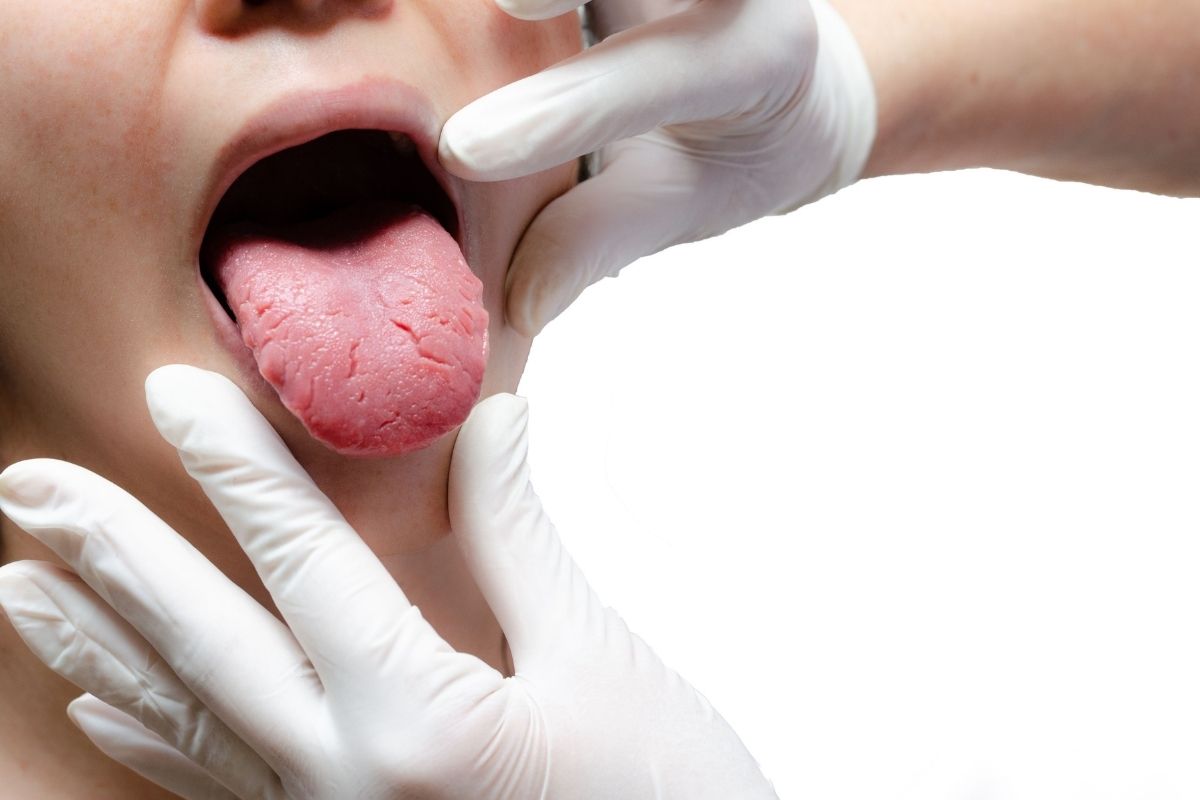
Tongue bumps, often called lie bumps or transient lingual papillitis, typically heal within a few days to a week, depending on the cause and severity. Most cases resolve on their own without treatment, but persistent or painful bumps warrant professional evaluation. Understanding healing timelines and care tips helps manage discomfort effectively.
Common Causes of Tongue Bumps
Tongue bumps arise from various triggers, including irritation, injury, or infections. Transient lingual papillitis, a frequent culprit, inflames taste buds, causing red or white swollen spots that feel tender. Injuries from biting the tongue, hot foods, or rough brushing lead to temporary swelling, while canker sores form painful ulcers from stress or acidic foods.
Allergies to certain foods or toothpaste ingredients, like sodium lauryl sulfate, can also spark bumps. Viral infections such as oral herpes produce blisters that last longer, up to two to three weeks. Poor oral hygiene or habits like smoking exacerbate inflammation, delaying recovery.
Typical Healing Timelines
Healing duration varies by bump type. Lie bumps from transient lingual papillitis often fade in one to three days, sometimes up to a week. Minor injuries or irritations heal within a week or two, thanks to the tongue’s rich blood supply.
Canker sores take longer, typically one to two weeks for minor ones and up to four weeks for severe cases. Oral herpes bumps persist for two to three weeks without antivirals. Factors like immune strength, stress, and irritant avoidance influence speed; most harmless bumps clear in three to seven days.
Factors Affecting Recovery Speed
Individual health plays a key role in healing. Strong immunity speeds resolution, while stress weakens defenses and prolongs bumps. Oral hygiene habits matter—gentle brushing prevents worsening, but neglecting it invites infection.
Diet impacts timelines; spicy, acidic, or hot foods irritate sites, extending recovery. Hydration and nutrition, rich in vitamins, support tissue repair. Age and underlying conditions, like allergies, alter outcomes, with recurrent bumps signaling triggers to avoid.
Home Remedies for Faster Healing
Simple steps accelerate recovery. Rinse with warm saltwater several times daily to reduce swelling and fight bacteria. Opt for soft foods, stay hydrated, and skip irritants like alcohol, tobacco, or rough textures.
Over-the-counter pain relievers or topical gels numb discomfort. Use a soft toothbrush and alcohol-free mouthwash to maintain hygiene without aggravating bumps. Ice chips soothe swelling, promoting quicker relief. These measures often resolve mild cases without intervention.
When to Seek Professional Help
Most bumps heal naturally, but see your local dentist if they last over two weeks, worsen, bleed, or accompany fever and swollen glands. Persistent pain hindering eating or speaking signals potential issues like infections needing prescription treatments.
Book an appointment at a dental office in Charleston for evaluation if home care fails. Early checks prevent complications, ensuring oral health.
FAQs
How long do lie bumps typically last?
Lie bumps from transient lingual papillitis usually resolve in 1-3 days, though they may recur.
Can stress prolong tongue bumps?
Yes, stress triggers or extends bumps by weakening immunity.
Are tongue bumps contagious?
Most, like lie bumps, are not; infections like herpes can be.
What home remedies speed healing?
Saltwater rinses, soft foods, hydration, and avoiding irritants help.
When should you see a dentist for bumps?
If lasting over two weeks, painful, or with fever/bleeding.
Do canker sores on the tongue heal faster than others?
No, they often take 1-4 weeks, longer than lie bumps.
Can poor hygiene delay tongue bump healing?
Yes, it risks secondary infections, slowing recovery.