

“Are implants permanent?”
“Will I ever need to replace them?”
“Is this truly a lifetime solution?”
These are some of the most common questions patients ask when considering tooth replacement. The decision is significant — financially, functionally, and emotionally. Replacing a missing tooth isn’t just about appearance; it’s about protecting long-term oral health, chewing comfortably, and feeling confident again.
For many people researching options like dental implants in Charleston, the hope is that treatment will be a one-time investment that lasts forever. While implant dentistry is one of the most durable and predictable solutions we have in modern dentistry, longevity depends on several important factors — including overall health, bone support, daily habits, and ongoing professional care. A thoughtful evaluation and long-term planning approach are essential to achieving the best possible outcome.
What “Permanent” Really Means in Dentistry
In everyday conversation, the word permanent often means “never needs attention again.” In dentistry, the meaning is more nuanced.
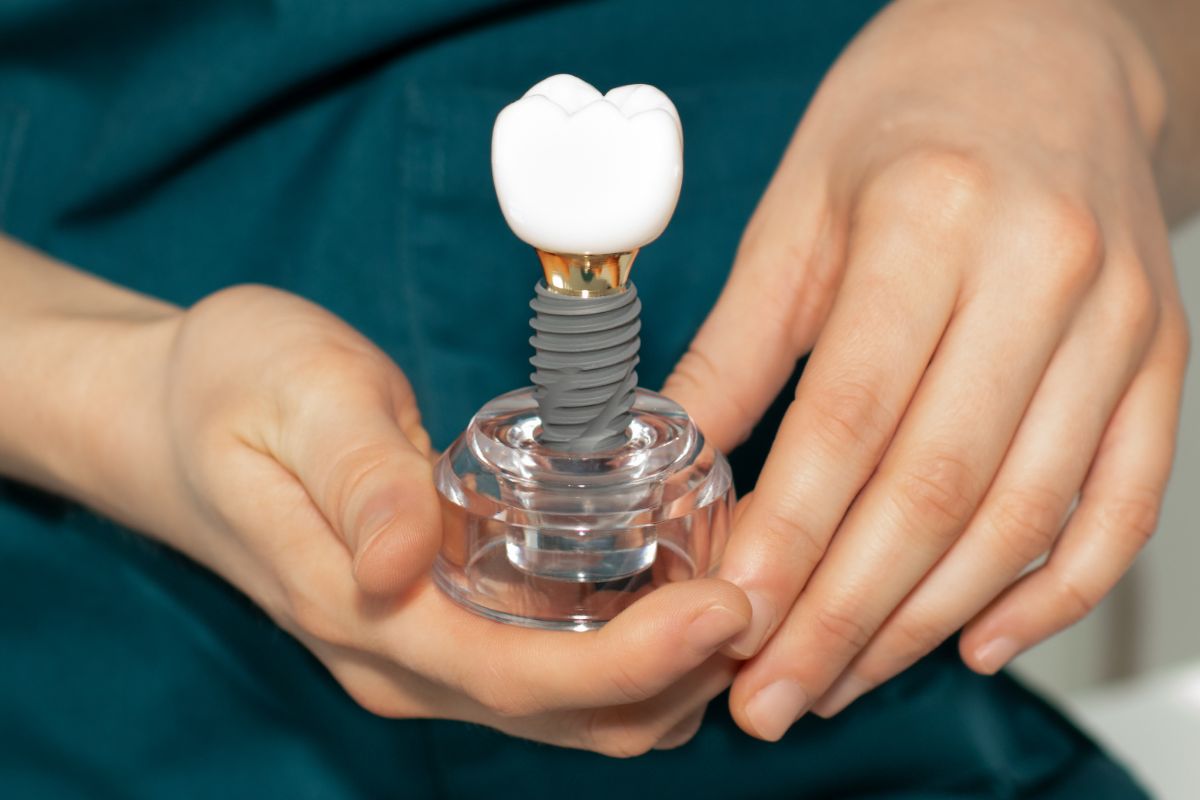
A dental implant has two primary components:
- The implant post, which replaces the tooth root and integrates with the jawbone
- The restoration (crown, bridge, or denture), which replaces the visible portion of the tooth
The implant post is designed to become biologically integrated with the bone. In many cases, this integration can remain stable for decades. However, the restoration placed on top may eventually need maintenance or replacement due to normal wear.
It’s also important to remember that the human body changes over time. Bone density, gum health, and bite forces evolve with age. Even the most carefully placed implant exists within a living system that requires monitoring. For that reason, “forever” is not a clinical guarantee — but long-term success is absolutely achievable with proper planning and care.
How Long Do Dental Implants Typically Last?
Extensive research shows that dental implants have high success rates, often exceeding 90–95% over 10 to 20 years when placed in healthy candidates and properly maintained.
In many cases:
- The implant post can last decades
- The crown or restoration may need replacement after 10–20 years due to wear
Longevity largely depends on successful bone integration, known as osseointegration. When the implant fuses securely with the jawbone, it creates a stable foundation similar to a natural tooth root.
For long-term residents in the Charleston area — whether working downtown, commuting daily, or managing active family routines — durability matters. Implant dentistry is designed with that longevity in mind. Still, maintenance plays a crucial role in protecting that investment over time.
What Determines Implant Longevity?
No two patients are exactly alike, and implant success is influenced by several biological and lifestyle factors.
Bone health: Adequate bone density is critical for stability. If bone loss has already occurred, additional procedures may be needed before placement.
Gum health: Healthy gums support and protect implants. Untreated gum disease increases the risk of complications.
Smoking: Tobacco use significantly increases implant failure risk by impairing healing and circulation.
Medical conditions: Diabetes, autoimmune disorders, and certain medications can influence healing and long-term stability.
Bite forces and grinding: Excessive clenching or grinding can place stress on both natural teeth and implants.
Oral hygiene habits: Daily brushing, flossing, and routine cleanings are essential.
Regular dental visits: Professional monitoring allows early detection of inflammation or mechanical issues.
In Appalachian communities, where long-term health patterns sometimes include higher rates of tobacco use or chronic medical conditions, careful screening becomes even more important before implant placement.
Can an Implant Fail Years Later?
While uncommon, implant complications can occur — even years after placement.
One potential issue is peri-implant inflammation, a condition similar to gum disease that affects the tissue around the implant. If untreated, it can lead to bone loss.
Other possibilities include:
- Gradual bone changes
- Mechanical wear of the crown
- Loosening of components
In many cases, the implant post remains stable, and only the restoration requires attention. Complete removal is less common and typically associated with significant bone or health issues.
Early warning signs may include:
- Persistent gum redness or swelling
- Bleeding around the implant
- Discomfort when chewing
- Changes in how the restoration feels
Open communication with your dental team ensures concerns are addressed promptly and conservatively.
How Dentists Plan for Long-Term Success
Long-term outcomes begin before the implant is ever placed.
Careful diagnostic imaging allows evaluation of bone volume, density, and anatomical structures. Comprehensive medical screening identifies conditions that could influence healing. If gum disease or infection is present, it must be treated first.
Treatment planning also considers:
- Bite alignment
- Adjacent teeth
- Long-term maintenance strategy
- Realistic expectations
Conservative candidacy evaluation is key. Not every patient is an immediate implant candidate, and sometimes additional preparatory steps are necessary.
For patients from both Charleston and occasionally Hurricane, individualized planning ensures that treatment supports overall health, daily function, and long-term stability — not just short-term replacement.
Maintenance protocols after placement are equally important. Regular cleanings, periodic imaging, and bite checks protect both the implant and surrounding bone for years to come.
A Thoughtful Next Step
If you are considering implant treatment and wondering whether it will truly last, a personalized evaluation can provide clarity. Understanding your bone health, medical history, and long-term goals allows for informed decision-making.
You may consider scheduling a consultation to discuss your specific situation and visit our Charleston dental office to learn more about whether implant dentistry aligns with your long-term oral health plan. A careful, evidence-based approach supports confident decisions — without pressure or unrealistic promises.
Frequently Asked Questions
- Can dental implants last 30 years?
Yes, many implants remain stable for decades when placed in healthy bone and properly maintained. Longevity depends heavily on oral hygiene and overall health.
- Do implant crowns need replacement?
The crown attached to the implant may eventually require replacement due to normal wear, typically after 10–20 years. The implant post often lasts longer.
- What causes implant failure?
Common causes include untreated gum inflammation, smoking, uncontrolled medical conditions, and poor oral hygiene. Early detection improves outcomes.
- Are implants stronger than natural teeth?
Implants are very strong and durable, but they do not have the same biological structure as natural teeth. Proper care is essential to maintain surrounding bone and gum support.
- How can I make my implant last longer?
Consistent brushing and flossing, regular dental visits, avoiding tobacco, managing medical conditions, and addressing grinding habits all contribute to long-term stability.