

When faced with the challenge of replacing missing teeth, the options can seem overwhelming. Two of the most popular solutions are dental bridges and dental implants. Each method has its own set of advantages and considerations, making the choice highly personal and dependent on individual circumstances. Whether you’re consulting with your dentist about the best option for your dental health or exploring the latest advancements in teeth whitening, it’s crucial to be well-informed about your choices. Let’s delve into the details to help you determine whether a bridge or a dental implant is the better option for you.
Understanding Dental Implants
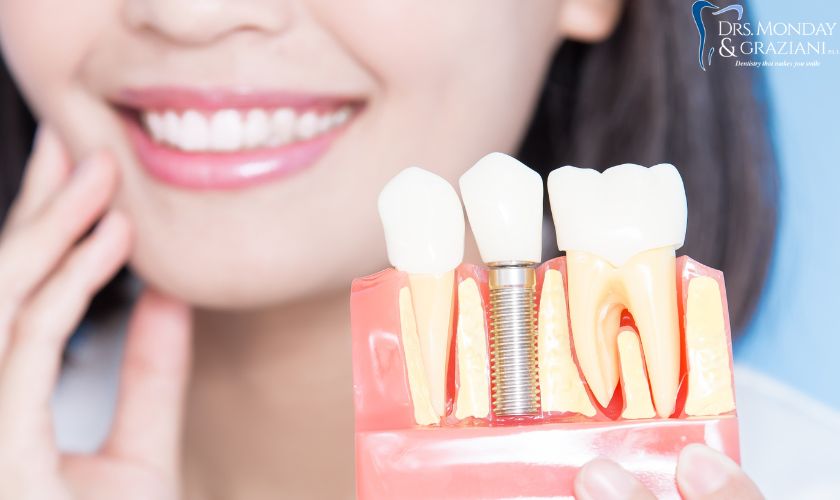
Dental implants are a modern, long-term solution for replacing missing teeth. They consist of a titanium post that is surgically inserted into the jawbone, acting as a root for the replacement tooth. Over time, the post fuses with the bone in a process called osseointegration, providing a strong and stable foundation for a crown, which is custom-made to match your natural teeth.
Advantages of Dental Implants:
- Durability: Implants are known for their longevity. With proper care, they can last a lifetime, making them a cost-effective solution in the long run.
- Bone Health: Implants stimulate the jawbone, preventing bone loss and maintaining facial structure. This is crucial for avoiding the sunken appearance that often accompanies missing teeth.
- Aesthetics and Function: Dental implants look and function like natural teeth. They offer excellent stability, allowing you to eat, speak, and smile with confidence.
- Preservation of Adjacent Teeth: Unlike bridges, implants do not require altering neighboring teeth. This helps preserve your natural tooth structure.
Considerations for Dental Implants:
- Surgical Procedure: The implant process involves surgery and a healing period. Not everyone is a candidate for implants, particularly if there is insufficient bone density or other health issues.
- Time and Cost: The implant process can be lengthy, often taking several months from start to finish. Initially, the cost can be higher compared to bridges, though the longevity of implants can offset this over time.
Exploring Dental Bridges
Dental bridges are a traditional method for replacing one or more missing teeth. They consist of a false tooth (or teeth) held in place by crowns that are cemented onto the adjacent teeth. This effectively “bridges” the gap left by the missing tooth.
Advantages of Dental Bridges:
- Quick Solution: Bridges can typically be completed in just a few dental visits, making them a faster option compared to implants.
- Cost-Effective: Initially, bridges are less expensive than implants, making them a more affordable option for many patients.
- No Surgery Required: Bridges do not involve surgical procedures, which can be advantageous for patients who prefer to avoid surgery or are not suitable candidates for implant surgery.
Considerations for Dental Bridges:
- Impact on Adjacent Teeth: The process of placing a bridge involves grinding down the adjacent teeth to fit the crowns. This can compromise the health and integrity of the surrounding teeth.
- Longevity: While bridges are durable, they typically last 5-15 years with good oral hygiene. They may need to be replaced or repaired over time.
- Bone Health: Unlike implants, bridges do not stimulate the jawbone, which can lead to bone loss and changes in facial structure over time.
Making the Right Choice
Choosing between a dental bridge and a dental implant depends on various factors, including your oral health, budget, and personal preferences. Consulting with your dentist is the best way to determine the most suitable option for your specific situation. Here are some key considerations to help guide your decision:
- Oral Health and Bone Density: If you have sufficient bone density and are in good overall health, dental implants may be a preferable option due to their longevity and benefits for bone health. However, if you have health issues or insufficient bone density, a bridge might be the more viable choice.
- Cost and Insurance Coverage: Consider the initial cost and long-term value. While implants have a higher upfront cost, their durability can make them more cost-effective over time. Check with your dental insurance provider to see what procedures are covered under your plan.
- Timeline and Convenience: If you need a quick solution, a dental bridge might be more suitable as it can be completed faster. Implants require a longer treatment time but offer permanent results.
- Aesthetic Goals: Both options can provide natural-looking results, but implants are often considered superior in terms of aesthetics and functionality. Discuss your aesthetic goals with your dentist to determine which option aligns best with your expectations.
The Role of Preventive Care and Teeth Whitening
Regardless of whether you choose a bridge or a dental implant, maintaining good oral hygiene is crucial. Regular dental check-ups, proper brushing and flossing, and a healthy diet all contribute to the longevity of your dental work and overall oral health. Additionally, many patients are interested in teeth whitening to enhance the appearance of their smile. Professional teeth whitening performed by your dentist can complement your restorative dental work, providing a cohesive and bright smile.
In conclusion, both dental bridges and dental implants offer effective solutions for replacing missing teeth, each with its own set of benefits and considerations. Dental implants are renowned for their durability, bone health benefits, and natural appearance, while bridges offer a quicker, less invasive, and initially more affordable option. Ultimately, the best choice depends on your individual needs and circumstances. By consulting with a knowledgeable dentist, you can explore your options and make an informed decision that will restore your smile and improve your quality of life.
Remember, maintaining excellent oral health practices and considering complementary treatments like teeth whitening can further enhance the results of your chosen dental solution. Whether you opt for a dental bridge or a dental implant, prioritizing your dental health will ensure you enjoy a healthy, beautiful smile for years to come.