
A small dental problem rarely stays small for long. What begins as a minor cavity, a cracked tooth, or a missing molar can gradually affect the way your entire bite functions. Many patients do not notice the changes immediately. Instead, they experience subtle warning signs over time, such as uneven chewing pressure, jaw tightness, tooth shifting, or persistent discomfort near the ears and temples. The problem is that your teeth, jaw joints, muscles, and bite alignment work together as a single system. When even one damaged tooth is ignored, the surrounding structures often begin compensating in unhealthy ways. Over time, this imbalance can place excessive strain on the jaw and increase the risk of additional dental complications.
Many people exploring restorative dentistry in Charleston are surprised to learn that untreated tooth damage can affect far more than appearance alone. It can influence speech, chewing comfort, jaw stability, and long-term oral function. Understanding how this process develops is often the first step toward preventing more complex problems later.
Could That One Damaged Tooth Throw Off Your Entire Bite?
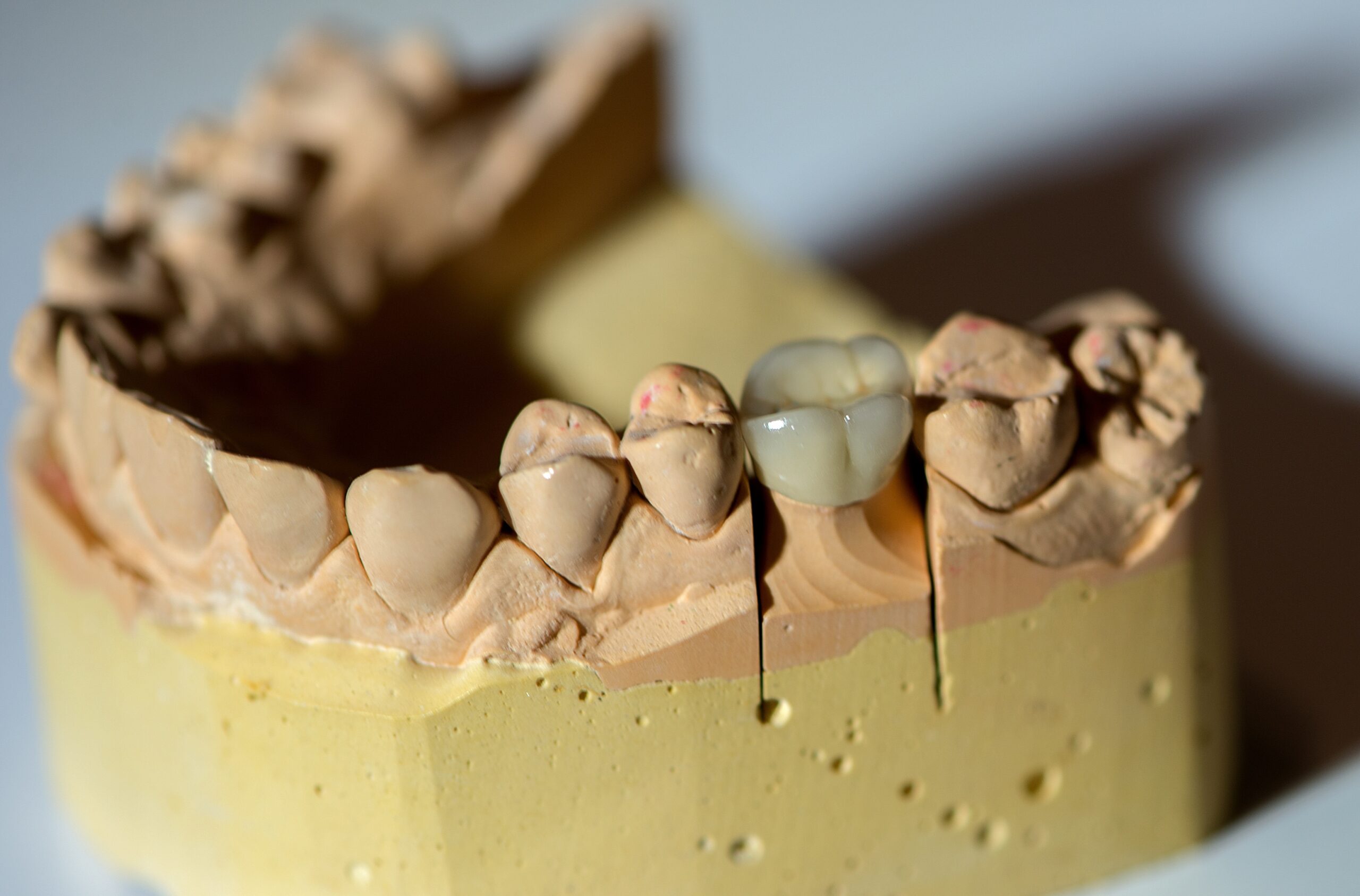
The short answer is yes, and here is why it matters. Your teeth do not function independently. Every tooth holds a position that supports the ones beside it and the ones opposing it on the other arch. When one tooth is damaged, decayed, or missing, the surrounding teeth begin to compensate.
This compensation shows up in ways most patients do not immediately connect to a dental problem:
- Dental drift: Neighboring teeth gradually lean into the open space, changing the spacing and angulation of your bite
- Supereruption: The opposing tooth in the other arch grows downward or upward into the gap, disrupting the vertical dimension of your bite
- Uneven bite pressure: Certain teeth absorb more force than they were designed to handle, accelerating wear and increasing fracture risk
- Jaw muscle imbalance: When chewing shifts to one side to avoid a sore tooth, the jaw muscles and joints begin to adapt to an uneven load
Charleston residents who spend long hours outdoors during the mild spring and fall seasons, or who stay active during the city’s warm summers, know that jaw pain and headaches can significantly affect daily enjoyment. What feels like tension or sinus pressure is sometimes traced directly back to an untreated bite problem.
What Does Bite Misalignment Actually Do to Your Jaw Joints?
The temporomandibular joints, commonly called the TMJ, are two small but highly complex joints that connect your lower jaw to your skull. They are involved in every bite, every word you speak, and every yawn. When bite alignment is disrupted, these joints absorb disproportionate stress.
Over time, this leads to a condition known as temporomandibular joint disorder or TMD. Patients with TMD often experience:
- Clicking or popping sounds when opening or closing the mouth
- Jaw stiffness, especially in the morning
- Chronic headaches that originate near the temples
- Pain that radiates into the neck and shoulders
- Difficulty fully opening the mouth
What is important to understand is that TMD does not always begin with a jaw problem. It frequently begins with a tooth problem. A failing crown, a broken tooth that has shifted your chewing pattern, or bone loss from periodontal disease can all alter the load on your jaw joints gradually over months or years before symptoms become noticeable.
Is Bone Loss the Hidden Consequence No One Talks About?
When a tooth is lost and not replaced, the alveolar bone underneath it begins to resorb. This is one of the most clinically significant and least discussed consequences of delayed treatment. The jawbone requires the stimulation of tooth roots to maintain its density. Without that stimulation, bone volume decreases at a measurable rate, often starting within the first few months after tooth loss.
This bone loss does not only affects the site of the missing tooth. As the jaw changes shape, the support structure for neighboring teeth is also compromised. Bone resorption can:
- Make future tooth replacement more complex and costly
- Alter facial contour over time, contributing to a sunken or aged appearance
- Reduce the stability of adjacent natural teeth
- Complicated bite correction because the foundation has shifted
Patients who delay replacement often find that their options narrow as time passes. Addressing tooth loss promptly, before significant bone loss occurs, preserves both the structure of the jaw and the range of treatment choices available.
How Do Tooth Replacement Options Actually Restore Bite Function?
When bone and bite health are the goals, not all tooth replacement approaches are equally effective. Dental implants in Charleston are considered the gold standard for replacing missing teeth because they function as artificial tooth roots. Placed directly into the jawbone, they provide the stimulation needed to maintain bone density while restoring full chewing function and bite alignment.
Unlike removable options, a permanently anchored replacement tooth transmits bite forces into the bone the way a natural tooth would. This prevents the drift, supereruption, and muscle imbalance described earlier. For patients who have already experienced some bone loss, a bone grafting procedure may be recommended before placement to rebuild an adequate foundation.
Other restorative options, including crowns, bridges, and inlays, each serve specific roles in stabilizing a damaged or incomplete bite. A comprehensive evaluation determines which combination of treatments will restore proper function and protect the jaw long term.
What Happens When You Wait Too Long to Address the Problem?
This is the part of the conversation that matters most. Dental problems that begin as isolated issues compound. A cavity becomes a fracture. A fracture compromises a tooth that then requires removal. Tooth loss creates drift. Drift disrupts bite alignment. Bite misalignment stresses the jaw joints. By the time a patient seeks care, what started as a straightforward filling has become a multi-step restorative case.
Charleston has a strong culture of community and connection, from the cobblestone streets to the lively food and arts scene. Jaw pain, chronic headaches, and difficulty eating can quietly chip away at the ability to enjoy those everyday moments. That is not a small consequence.
The cost of delayed care, both financially and physically, is consistently higher than treating problems at their earliest stage. Patients who work with a trusted dentist near me in Charleston on a proactive schedule almost always face fewer complex procedures over the course of their lives.
Can Restorative Dentistry in Charleston Correct Problems That Have Already Progressed?
Yes, and this is where modern dentistry offers real hope. Even when bite problems, bone loss, or jaw dysfunction have already developed, a structured restorative plan can address each issue in sequence. Treatment may include:
- Occlusal therapy: Adjusting the bite through reshaping, crowns, or orthodontic movement to redistribute forces evenly
- TMJ treatment: Managing joint inflammation and muscle tension while correcting the underlying bite issue
- Bone grafting: Rebuilding lost bone to support tooth replacement and stabilize the jaw structure
- Full arch restoration: Replacing multiple missing teeth in a way that re-establishes the correct vertical dimension and chewing function
Waiting is never the only option, but acting sooner always produces better outcomes with less complexity.
We Help Stop the Damage Before It Redefines Your Health
At Drs. Monday and Graziani P.L.L.C., we understand that dental problems do not exist in isolation. A damaged tooth is a structural concern. A missing tooth is a bone health concern. A shifted bite is a jaw health concern. Our approach to care connects these dots so that every treatment decision supports your long-term oral health, not just your immediate comfort.
We have built our practice around comprehensive restorative dentistry in Charleston because we believe every patient deserves a bite that functions properly, a jaw that moves without pain, and a smile that lasts a lifetime. Visit our dental office in Charleston for a thorough evaluation, and let us build a plan that addresses what is happening now and protects what matters for the future. Your jaw health is worth protecting before it becomes an emergency.
Frequently Asked Questions (FAQs)
Q: Can a single missing tooth really affect my jaw alignment?
Yes. When a tooth is missing, the surrounding teeth shift toward the gap, and the opposing tooth moves into it. Over time, this disrupts bite balance and increases stress on the jaw joints, often leading to discomfort and uneven wear on remaining teeth.
Q: How do I know if my jaw pain is related to a dental issue?
Common signs include clicking or popping in the jaw, pain near the temples or ears, difficulty opening your mouth fully, and chronic headaches. These symptoms often point to bite misalignment or TMJ dysfunction, both of which can originate from untreated dental problems.
Q: How quickly does bone loss begin after tooth loss?
Research indicates that measurable bone loss can begin within the first few months following tooth loss. The rate accelerates during the first year, which is why prompt evaluation and treatment planning are important for patients who have recently lost a tooth.
Q: Is it too late to fix my bite if I have had missing teeth for years?
In most cases, treatment is still possible. However, significant bone loss or drift may require additional preparatory steps such as bone grafting or orthodontic correction before tooth replacement can be completed. An evaluation will determine the most appropriate path forward based on your current bone and bite condition.
Q: Are there non-surgical options for managing bite misalignment?
Depending on the cause and severity, non-surgical options such as occlusal adjustments, nightguards, and orthodontic treatment can be effective. For cases involving significant structural changes, a combination of surgical and non-surgical approaches may be recommended to achieve the best long-term results.
Q: How often should I be seen if I have an existing bite or jaw concern?
Patients managing active bite issues or TMJ symptoms typically benefit from more frequent monitoring visits, often every three to four months, until the condition is stabilized. Your dental provider will recommend a schedule based on your specific situation.