
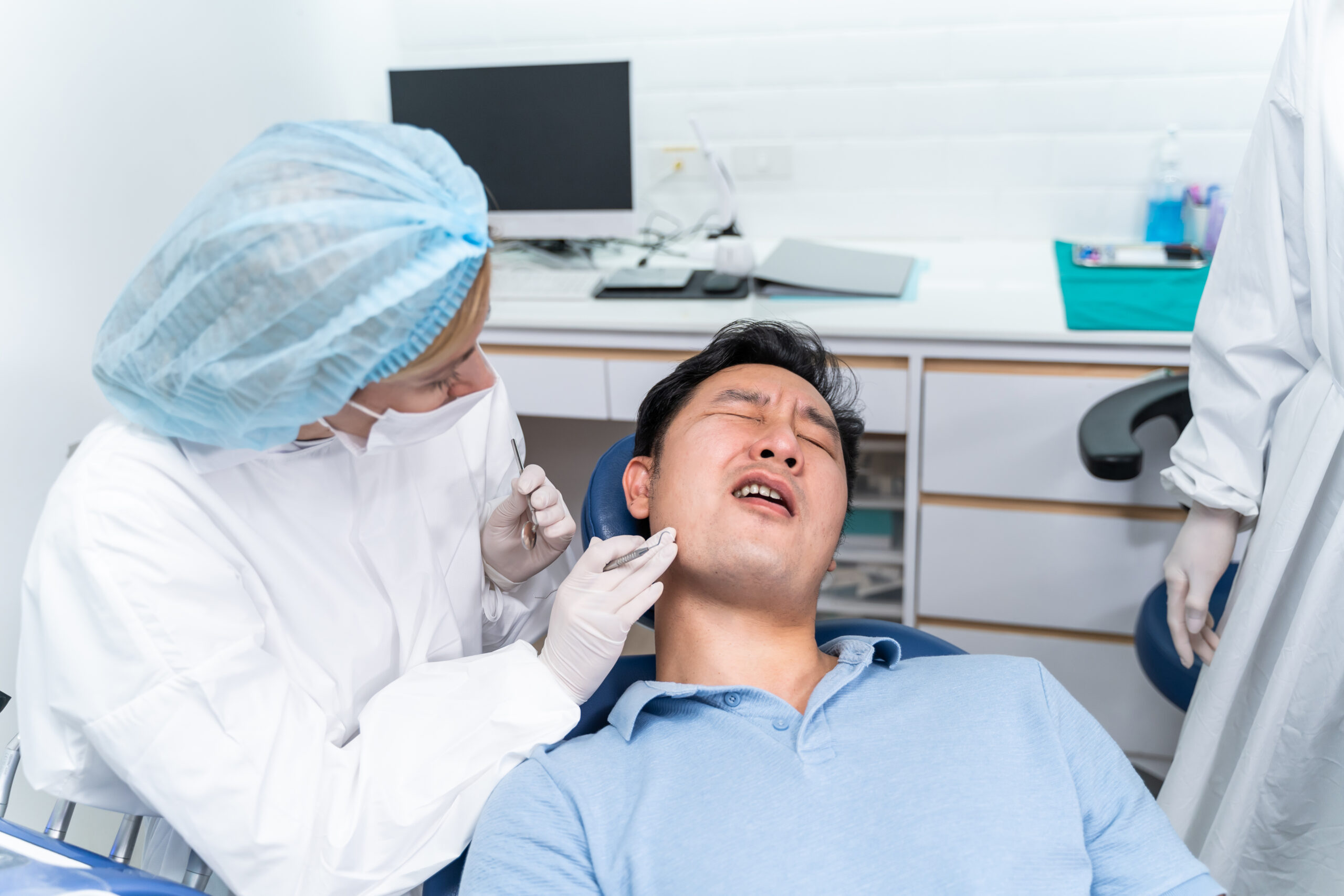
It’s a common situation we see—someone has a tooth removed or a dental implant placed, and a few days later they begin to wonder if what they’re feeling is normal. Maybe the swelling hasn’t gone down yet, or the discomfort feels different than expected. For many patients, especially those balancing work and recovery at home in Charleston, it can be difficult to tell what’s part of the healing process and what might need attention.
It’s also why many people start searching online for answers after a procedure like oral surgery in Charleston—looking for reassurance about what’s normal and what isn’t.
What Is Normal Healing After Oral Surgery?
After oral surgery, your body naturally goes through a healing process. Some symptoms are expected and usually improve over time.
You may notice:
- Mild to moderate swelling for the first few days
- Slight bleeding or oozing early on
- Tenderness or soreness around the surgical area
- Gradual improvement in comfort within a few days
In most cases, these symptoms peak within 48–72 hours and then slowly begin to improve. While everyone heals a bit differently, the general pattern should feel like things are getting better—not worse.
Signs of Infection After Oral Surgery
While most recoveries go smoothly, there are certain signs that may indicate an infection and should not be ignored.
These can include:
- Pain that continues to worsen instead of improving
- Swelling that increases after the first few days
- Fever or feeling generally unwell
- Pus or unusual discharge from the surgical site
- A persistent bad taste or odor in the mouth
- Difficulty opening your mouth or swallowing
These symptoms don’t always mean something serious, but they do suggest that your body may need additional support during healing.
When Symptoms May Require Attention
One of the most important things to understand is the difference between normal discomfort and something that needs evaluation.
For example:
- Mild soreness that improves each day is expected
- Sharp or increasing pain several days after surgery is not
- Swelling that gradually decreases is typical
- Swelling that suddenly worsens may need attention
If something feels like it’s going in the wrong direction—or simply not improving—it’s reasonable to check in. Early evaluation often helps prevent more complicated issues.
Why Infections Can Happen After Oral Surgery
Even with careful planning and proper technique, infections can occasionally occur. The mouth naturally contains bacteria, and certain conditions can make healing more challenging.
Some contributing factors include:
- Bacteria entering the surgical site during healing
- Disruption of the blood clot (such as with dry socket)
- Smoking or tobacco use
- Underlying health conditions that affect healing
- Not following post-operative care instructions
Understanding these risks can help patients take simple steps to support better healing.
How to Support Proper Healing and Reduce Risk
There are several practical ways to support your recovery and reduce the risk of complications after oral surgery.
These include:
- Carefully following post-operative instructions provided after your procedure
- Keeping the area clean without disturbing the surgical site
- Eating soft, nourishing foods while avoiding anything too hard or crunchy
- Staying hydrated
- Avoiding smoking, straws, or vigorous rinsing in the early stages
Many patients in Charleston find that setting aside time for proper rest and recovery—even during a busy schedule—can make a meaningful difference in how smoothly healing progresses.
How Dentists Monitor Healing After Oral Surgery
Follow-up care is an important part of the healing process. During these visits, dentists evaluate how your body is responding and check for any early signs of concern.
This may include:
- Examining the surgical area to ensure proper healing
- Checking for signs of infection or delayed recovery
- Asking about your symptoms and comfort level
- Adjusting care recommendations if needed
These evaluations are designed to support your recovery and ensure that healing stays on track.
Supporting a Safe and Comfortable Recovery
Recovering from oral surgery can bring up questions, especially if something doesn’t feel quite right. Paying attention to your symptoms and understanding what’s typical can help you feel more confident during the healing process.
If you’re unsure whether what you’re experiencing is part of normal healing or something that needs attention, it’s completely reasonable to ask.
If you’d like to talk through your symptoms or get reassurance about your recovery, you can contact our Charleston dental office to better understand what you’re experiencing and what steps may be helpful moving forward.
FAQs
How do I know if my oral surgery site is infected?
Signs such as worsening pain, swelling that increases after a few days, fever, or discharge may indicate infection and should be evaluated.
How long does swelling last after oral surgery?
Swelling typically peaks within 2–3 days and then gradually improves. If it continues to worsen, it may need attention.
Is some pain normal after a tooth extraction?
Yes, mild to moderate discomfort is expected, especially in the first few days. It should steadily improve over time.
When should I call my dentist after surgery?
If symptoms worsen instead of improving, or if you notice fever, unusual swelling, or discharge, it’s a good idea to check in.
Can infection go away on its own?
Some minor issues may resolve, but infections often require evaluation and treatment to prevent complications.