

It’s a question we hear more often than you might expect—especially from patients who live active lifestyles. Whether it’s a weekend basketball game, a bike ride along local trails, or simply a slip on a wet surface, accidents happen. And when they do, many people wonder if their dental implants are as strong as natural teeth—or if they’re more vulnerable.
If you’re living in the Charleston area and looking into options like dental implants in Charleston, it’s completely natural to think ahead about how they’ll hold up in real-life situations. The good news is that implants are designed to be durable, but like any part of your body, they’re not completely immune to injury.
Can Dental Implants Be Damaged by Impact?
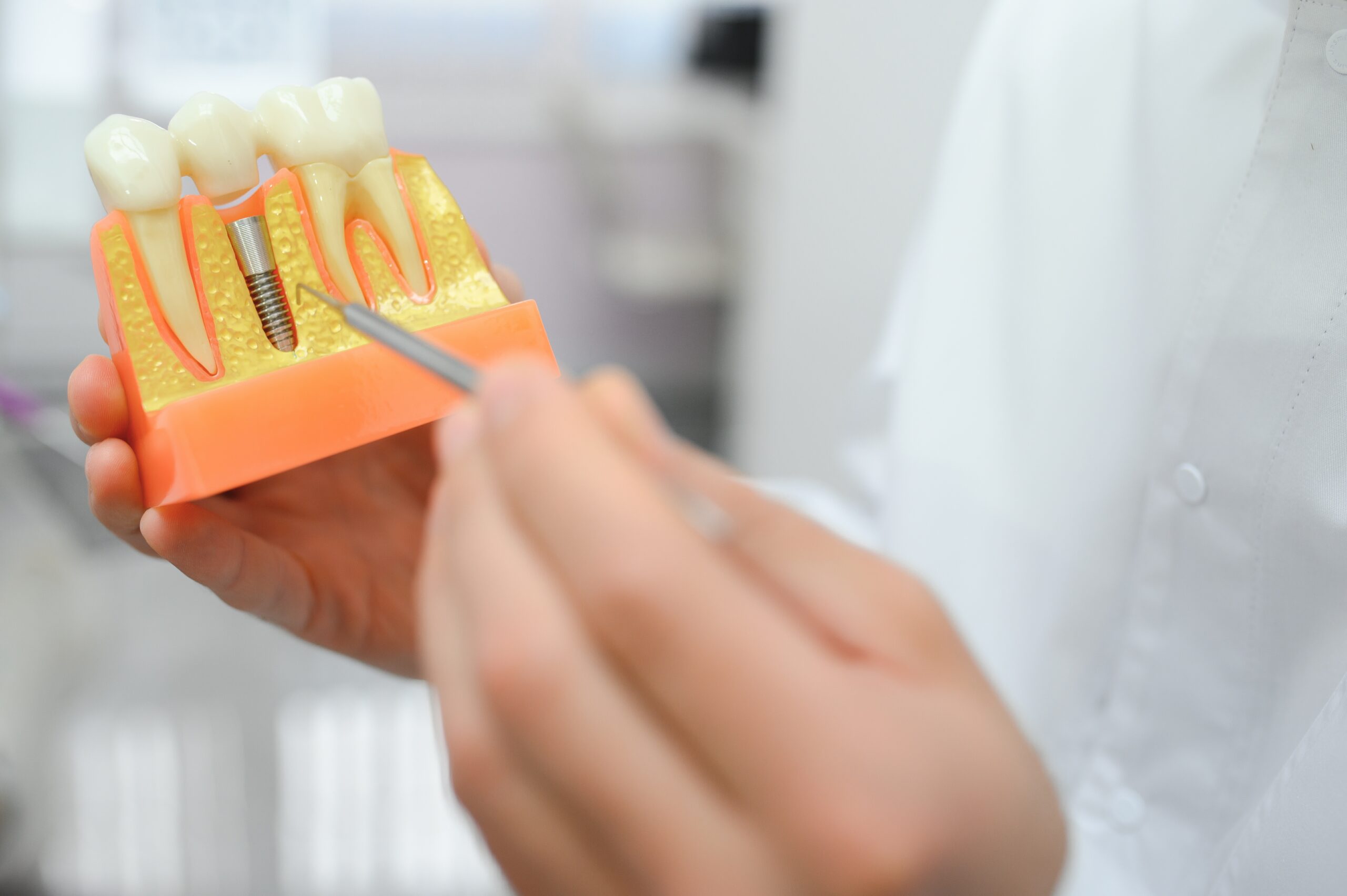
Dental implants are built to be strong and stable. The implant post, which is placed in the jawbone, functions similarly to a natural tooth root and is made from durable materials like titanium. Once healed, it becomes securely integrated with the bone.
However, the visible portion—the crown—can still be affected by force. Just like natural teeth, a strong impact from a fall, sports injury, or accident can lead to chips, cracks, or damage.
In most cases:
- The implant post remains stable
- The crown is the more vulnerable part
- Surrounding gum and bone tissue can also be affected
So while implants are resilient, they’re not indestructible.
Common Situations That Can Affect Implants
In a place like Charleston, where many people stay active year-round, certain situations can increase the risk of damage:
Contact sports
Activities like football, basketball, or martial arts can involve sudden impact to the face or mouth.
Falls or everyday accidents
Even something as simple as tripping on uneven ground or slipping at home can lead to unexpected dental trauma.
Teeth grinding or pressure
Chronic clenching or grinding—especially during sleep—can place excess stress on implant-supported crowns over time.
For patients with dental implants in the Charleston area, awareness of these risks is an important part of long-term care.
What Happens If an Implant Is Damaged?
Damage doesn’t always look dramatic. In fact, some signs can be subtle at first.
You might notice:
- A loose or shifting crown
- Discomfort when biting
- Swelling or irritation around the implant
- A chipped or cracked restoration
If the implant itself is affected—which is less common—you may experience deeper discomfort or instability.
The key is early evaluation. Addressing small issues quickly often helps prevent more complex concerns later.
How to Protect Your Dental Implants
Protecting your implants doesn’t require major lifestyle changes—just a bit of awareness and planning.
Use a mouthguard for sports
If you or your child participates in contact sports, a properly fitted mouthguard can significantly reduce the risk of injury.
Be mindful during physical activity
Simple precautions—like wearing protective gear or avoiding unnecessary risks—can go a long way.
Maintain regular dental care
Routine visits help ensure your implant and surrounding tissues remain healthy and stable.
Address grinding habits
If you clench or grind your teeth, a nightguard may help protect both natural teeth and implant restorations.
These steps are especially helpful for families balancing busy schedules and active routines.
Are Implants Stronger Than Natural Teeth?
This is a common misconception. Dental implants are incredibly strong, but they’re not “stronger” than natural teeth in every way.
Here’s a helpful way to think about it:
- The implant post is very durable and integrates with bone
- The crown mimics a natural tooth but can still wear or chip under force
- Unlike natural teeth, implants don’t have ligaments to absorb shock
So while implants are designed for long-term function, they still require care and protection—just like natural teeth.
How Dentists Evaluate and Protect Dental Implants After Injury
If an accident does occur, a careful evaluation helps determine the next steps.
This typically includes:
Clinical examination
Your dentist will check for visible damage, movement, and gum health.
Imaging when needed
X-rays may be used to assess the implant’s position and the surrounding bone.
Stability assessment
The implant’s integration with the bone is evaluated to ensure it remains secure.
Repair or replacement planning
In many cases, only the crown needs repair or replacement—not the implant itself.
Preventive recommendations
You may receive guidance on protective devices or habits to reduce future risk.
This process is focused on preserving both function and comfort while minimizing unnecessary treatment.
When to Consider a Follow-Up After an Injury
If you’ve experienced a fall, sports injury, or any impact involving your mouth, it’s reasonable to have it checked—even if everything feels fine at first. Subtle changes can sometimes go unnoticed without a professional evaluation.
If you’d like to talk through your situation or have concerns about an existing implant, you’re welcome to visit our dental practice in Charleston to better understand what’s going on and what steps, if any, may be helpful.
FAQs
Can dental implants break during sports?
While the implant itself is very strong, the crown attached to it can chip or crack under significant impact, similar to a natural tooth.
Do I need a mouthguard with implants?
Yes, especially if you participate in contact sports. A mouthguard helps protect both implants and natural teeth from injury.
What should I do if I hit my implant?
Even if there’s no immediate pain, it’s a good idea to have it evaluated. Early assessment can help identify hidden issues.
Are implant crowns replaceable?
Yes, in many cases the crown can be repaired or replaced without affecting the implant post.
Can accidents affect implant healing?
If an implant is still healing, trauma can interfere with the integration process. Extra care during this period is especially important.