

For many adults considering tooth replacement, one of the first questions that comes up is simple: How long will it take to heal? It is a practical concern—especially when you are balancing work, family responsibilities, and daily routines like eating and speaking comfortably.
Patients across the Charleston area often want a clear, realistic timeline before moving forward with care. While every situation is unique, understanding the general healing process can make the experience feel more predictable. If you are exploring options like dental implant treatment, it helps to know what your body is doing at each stage of recovery.
Understanding the Dental Implant Healing Process
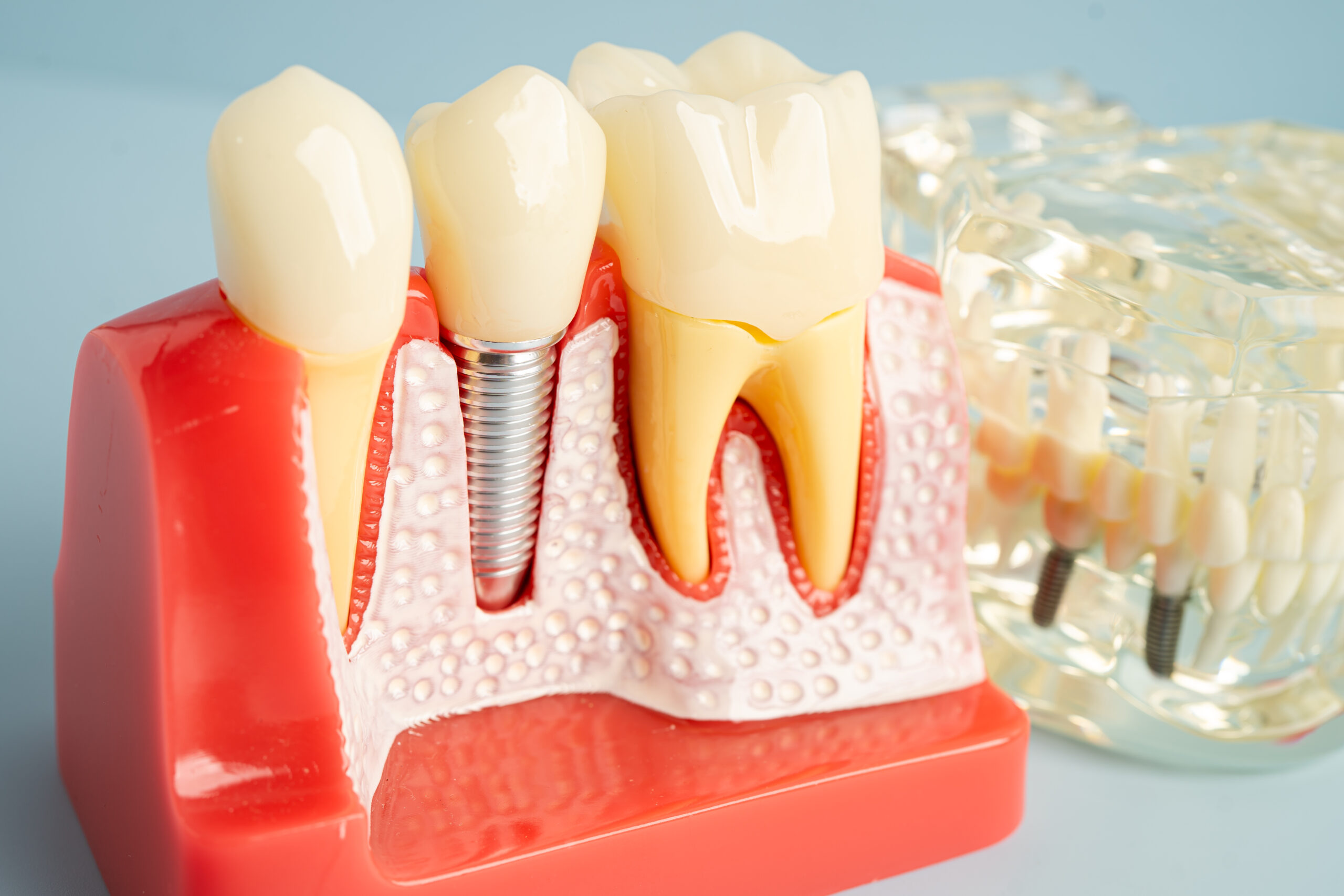
Healing after an implant is not a single step—it happens in phases. After the implant is placed, your body begins a natural process where the surrounding bone gradually bonds with the implant surface. This is often referred to as integration.
Rather than rushing this phase, the goal is to allow your body the time it needs to create a stable foundation. This is why implant treatment is approached in stages, focusing on long-term success rather than quick fixes.
Initial Healing: The First Few Days
In the first few days after the procedure, it is normal to experience mild swelling or soreness around the treated area. Most patients describe this phase as manageable and similar to other common dental procedures.
You may choose softer foods and take it easy for a short period, but many people are able to return to light daily activities quickly. For those with busy schedules in Charleston or Hurricane, this early stage is often easier to navigate than expected.
Early Recovery: The First 1–2 Weeks
As the days progress, the gums begin to heal around the implant site. If sutures were used, they may dissolve on their own or be removed during a follow-up visit.
During this time, patients usually feel more comfortable returning to their normal routines. Eating becomes easier, although it is still wise to avoid putting pressure directly on the healing area. This phase is important for protecting the site as it continues to stabilize.
Osseointegration: The Next Few Months
The longest and most important stage of healing happens beneath the surface. Over the next few months, the implant integrates with the surrounding bone, creating a secure base for the final restoration.
This process does not typically interfere with daily life, but it does require patience. The timeline can vary depending on individual factors, but it is essential for ensuring that the implant remains stable over time.
For many patients, this phase is where confidence begins to build—knowing that the foundation for their new smile is becoming stronger each day.
When the Final Tooth Is Placed
Once healing and integration are complete, the final step involves placing the visible portion of the tooth. This may include a connector piece and a custom-designed crown.
At this stage, patients often notice how natural the result feels. Speaking, eating, and smiling can begin to feel more familiar again, supporting both function and appearance in everyday life.
Factors That Can Affect Healing Time
While general timelines are helpful, healing can vary from person to person. Several factors play a role, including:
- Overall health and how the body heals
- Bone quality and density
- Daily oral hygiene habits
- Tobacco use
- Following post-treatment care recommendations
Understanding these factors can help set realistic expectations and support a smoother recovery experience.
How Dentists Plan Implant Treatment for Long-Term Success
A thoughtful approach to implant care begins well before the procedure itself. Dentists carefully evaluate each patient’s oral health, including the condition of the gums and the quality of the bone.
This planning phase helps determine whether additional preparation is needed and allows for a personalized healing timeline. Rather than taking a one-size-fits-all approach, treatment is guided by what will support long-term stability and comfort.
Careful planning also helps ensure that each stage—from placement to final restoration—works together in a balanced and conservative way.
Considering Your Next Step
If you have been thinking about replacing a missing tooth, it can be helpful to have a clear understanding of what recovery looks like and how it fits into your daily life.
For individuals in Charleston, Hurricane, or nearby communities like Teays Valley, having a conversation about healing expectations can provide clarity and reassurance. You can visit our dental office to discuss your options and learn what a personalized timeline might look like in your case.
FAQs
How long does it take for implants to fully heal?
Healing can take several months, as the bone gradually integrates with the implant. While early recovery happens within weeks, full stability develops over a longer period.
Is the healing process painful?
Most patients experience mild discomfort rather than significant pain. Any soreness is typically temporary and manageable with standard care.
When can I eat normally again after implant surgery?
Soft foods are recommended at first, but many patients begin returning to a more regular diet within a couple of weeks, depending on comfort.
What can slow down healing after implants?
Factors like smoking, inconsistent oral hygiene, or certain health conditions can affect how quickly the body heals.
How do I know if my implant is healing properly?
Regular follow-up visits allow your dentist to monitor healing. Signs such as reduced discomfort and stable gum tissue are generally positive indicators.