

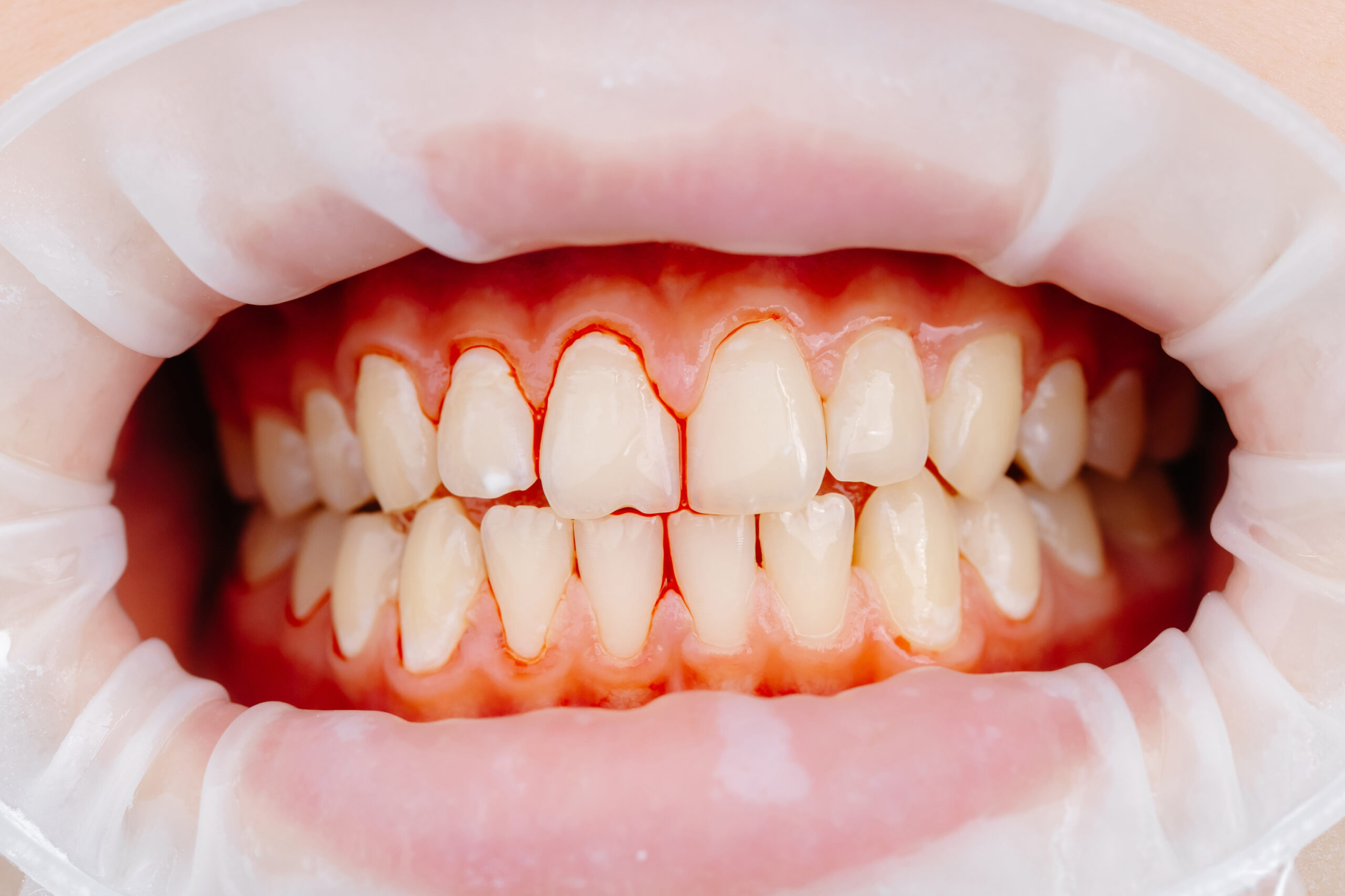
If you have ever noticed a little pink in the sink while brushing or flossing, you are not alone. Many patients mention this during routine visits—sometimes unsure whether it is something minor or a sign of a deeper issue. In many cases, bleeding gums are your body’s way of signaling that your gums need attention, not panic.
For patients looking for dental care close to Hurricane, understanding what causes gum bleeding and how to respond early can make a meaningful difference in long-term oral health. Simple changes, along with professional guidance, often help bring gum health back on track.
What Does It Mean When Your Gums Bleed?
Occasional gum bleeding can happen, especially if you have recently changed your brushing or flossing habits. However, when it becomes consistent, it usually points to inflammation in the gum tissue.
Your gums are designed to fit snugly around your teeth. When plaque—a sticky film of bacteria—builds up along the gumline, it can irritate the tissue. This irritation leads to inflammation, which makes gums more sensitive and prone to bleeding.
In early stages, this condition is often mild and manageable. But without attention, it can gradually progress.
Common Causes of Bleeding Gums
There are several everyday factors that may contribute to gum bleeding:
Plaque buildup and gingivitis
The most common cause is plaque accumulation along the gumline. When not removed regularly, it can lead to gingivitis, the earliest stage of gum disease.
Brushing or flossing habits
Brushing too aggressively or flossing inconsistently can irritate the gums. On the other hand, starting to floss after a long gap may temporarily cause mild bleeding as the gums adjust.
Hormonal changes
Hormonal shifts—such as during pregnancy—can make gums more sensitive and reactive to plaque.
Medications
Certain medications, including blood thinners, may increase the likelihood of bleeding.
Early signs of gum disease
Persistent bleeding may indicate the beginning stages of periodontal concerns, especially if accompanied by redness or swelling.
When Bleeding Gums Should Not Be Ignored
While occasional bleeding can be manageable, consistent symptoms deserve attention.
Signs that may indicate progression include:
- Gums that bleed frequently without improvement
- Swelling or tenderness
- Gums pulling away from teeth
- Persistent bad breath
When inflammation continues over time, it can affect not only the gums but also the supporting structures of your teeth. Addressing these signs early helps prevent more complex concerns later.
How to Prevent Bleeding Gums
The good news is that many cases of gum bleeding can be improved with consistent, gentle care.
Use proper brushing technique
A soft-bristled toothbrush and gentle, circular motions help clean effectively without irritating the gums.
Stay consistent with flossing
Flossing daily removes plaque between teeth where a toothbrush cannot reach. Initial sensitivity often improves within a few days of consistent care.
Schedule regular cleanings
Professional cleanings remove hardened plaque (tartar) that cannot be addressed at home.
Support overall health habits
Balanced nutrition, hydration, and avoiding tobacco products all contribute to healthier gums.
For families in Hurricane and Charleston balancing busy work schedules and school routines, keeping these habits simple and consistent often leads to steady improvement.
Treatment Options Your Dentist May Recommend
If bleeding gums persist, your dentist may suggest targeted care based on your specific needs.
Professional cleanings
Routine cleanings help remove plaque and tartar buildup, allowing the gums to heal.
Deep cleaning (scaling and root planing)
In cases where buildup extends below the gumline, a more thorough cleaning may be recommended to restore gum health.
Monitoring gum health
Regular evaluations help track improvement and prevent progression.
At-home care adjustments
Small changes in brushing tools or technique can make a noticeable difference over time.
Treatment is typically conservative and focused on helping your gums return to a stable, healthy state.
How Dentists Evaluate Gum Health
During a dental visit, gum health is assessed through several simple, non-invasive steps.
Gum measurements
A small measuring tool is used to check the space between your teeth and gums, helping identify areas of concern.
Visual assessment
Color, texture, and signs of inflammation are evaluated.
Plaque and tartar levels
Your dentist looks for buildup that may be contributing to irritation.
Patient habits
Daily routines, brushing technique, and flossing habits are discussed to understand contributing factors.
Long-term prevention planning
Care recommendations are tailored to help maintain healthy gums over time.
This approach allows for early intervention and personalized care without unnecessary complexity.
Taking a Thoughtful Step Toward Healthier Gums
If you have been noticing bleeding during brushing or flossing, it can be helpful to take a closer look rather than wait for it to resolve on its own. In many cases, early care is simple and effective.
For those in the Hurricane or Charleston area, having a conversation during a routine dental visit can provide clarity and reassurance. If it feels like the right time to check in on your gum health, you can visit our dental practice in Hurricane to discuss your concerns and explore next steps in a comfortable, supportive setting.
FAQs
Why do my gums bleed when I brush?
This is often due to inflammation caused by plaque buildup along the gumline. Gentle brushing and consistent oral care usually help improve the condition.
Is bleeding gums always a sign of gum disease?
Not always. Occasional bleeding can result from changes in routine or technique. However, consistent bleeding may indicate early gum disease and should be evaluated.
Can bleeding gums be reversed?
In many cases, yes. Early-stage gum concerns can often improve with proper oral hygiene and professional cleanings.
What is the best way to improve gum health at home?
Daily brushing with a soft-bristled toothbrush, consistent flossing, and maintaining regular dental visits are key steps.
When should I see a dentist for bleeding gums?
If bleeding continues for more than a week or occurs frequently, it is a good idea to have it evaluated to prevent progression.