
Can Dental Veneers Fix Uneven Teeth Without Braces?
Posted .
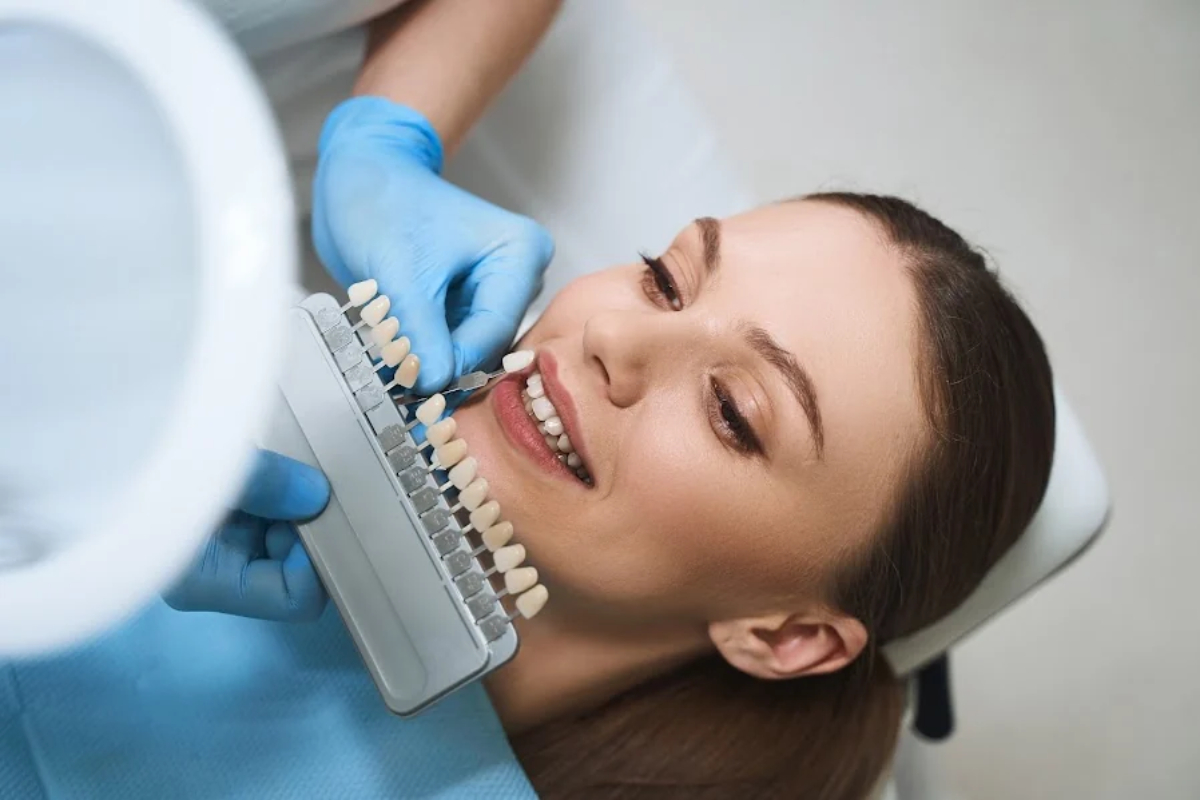
A slightly crooked tooth can draw your attention every time you look in the mirror. Maybe your front teeth appear uneven, or one tooth looks shorter than the others. These small differences can affect how comfortable you feel during conversations and photographs. Many Charleston residents want a more balanced smile without spending months undergoing orthodontic treatment. Dental veneers may offer another option for certain cosmetic concerns. At Drs. Monday and Graziani, we help patients explore cosmetic treatments that complement their natural teeth. Understanding what veneers can correct is the first step toward making an informed decision. Why Do Teeth Look Uneven? Perfectly symmetrical teeth are uncommon. However, noticeable differences in tooth length, shape, spacing, or alignment can make your smile appear uneven. Several factors can contribute to these differences. Natural tooth development: Some teeth grow into slightly different positions or have naturally irregular shapes. Tooth wear: Grinding and frequent pressure can gradually change the length and appearance of teeth. Minor dental injuries: Small chips and fractures may create uneven edges. Tooth spacing: Small gaps can make otherwise healthy teeth appear poorly aligned. Previous dental work: Older restorations may no longer match the surrounding teeth. Not every uneven tooth needs orthodontic treatment. The appropriate solution depends on whether the concern involves appearance, tooth position, or bite function. A comprehensive dental evaluation helps determine which approach addresses the underlying problem. How Dental Veneers Improve the Appearance of Uneven Teeth Dental veneers are thin, custom-made coverings placed over the visible surfaces of teeth. They can change the appearance of tooth shape, size, color, and minor spacing differences. For patients with healthy teeth and relatively minor cosmetic concerns, our dental veneers in Charleston may create a more uniform appearance. They can make a shorter tooth appear longer or help adjacent teeth look more proportionate. However, veneers do not physically move teeth into new positions. They change how teeth look rather than correcting their underlying alignment. Our dentists examine your bite and oral health before recommending cosmetic treatment. Proper planning helps ensure the proposed changes are suitable for your teeth. Cosmetic Concerns Veneers May Address Slightly Crooked Front Teeth A front tooth may sit slightly behind its neighboring teeth. Minor positional differences can sometimes be visually disguised with carefully planned veneers. The amount of correction depends on the tooth’s original position. Teeth with significant rotation or crowding generally require orthodontic evaluation. Uneven Tooth Length Some people have front teeth that naturally differ in length. Others develop uneven edges from grinding, injuries, or everyday wear. Veneers can help create more consistent tooth proportions. Your dentist will also assess any ongoing wear before recommending treatment. Small Gaps Between Teeth A narrow space between front teeth may be a cosmetic concern. Veneers can sometimes close smaller gaps by adjusting the apparent width of neighboring teeth. Larger spaces require more careful planning. Excessively wide veneers can appear unnatural and may complicate cleaning. Irregular Tooth Shapes Some teeth look smaller, narrower, or more pointed than adjacent teeth. Veneers can modify their visible contours to create a more balanced appearance. Each restoration should complement the patient’s facial features and surrounding teeth. An attractive result depends on thoughtful proportions rather than identical tooth shapes. Veneers vs. Braces for Uneven Teeth Veneers and braces address different dental concerns. Understanding those differences helps patients avoid choosing treatment based only on appearance. Orthodontic treatment gradually moves teeth into improved positions. Depending on the case, braces or aligners may correct crowding, spacing, and certain bite problems. Veneers primarily change the visible surfaces of teeth. They may conceal minor irregularities without repositioning the natural teeth. Consider these important distinctions: Treatment purpose: Veneers address cosmetic appearance, while orthodontics addresses tooth positioning. Tooth preparation: Veneers may require removing some enamel, while conventional orthodontic treatment generally does not. Bite correction: Orthodontics can address certain functional problems that veneers cannot correct. Long-term maintenance: Veneers may eventually need replacement, while orthodontic results require ongoing retention. Treatment suitability: Both options require careful assessment of oral health and individual goals. Choosing veneers simply to avoid braces is not always appropriate. Significant misalignment may require orthodontic treatment before any cosmetic restoration. What Happens During the Veneer Consultation? Your consultation begins with a discussion about the changes you want to see. Some patients want a subtle adjustment, while others prefer more noticeable cosmetic improvements. We examine your teeth, gums, and bite to understand the condition of your smile. Existing decay or gum inflammation may need attention before cosmetic treatment begins. The evaluation also helps determine whether veneers can provide suitable results. Your dentist will explain the proposed changes and discuss the limitations of treatment. Patients should understand whether enamel removal is necessary and how restorations will be maintained. Clear expectations are an important part of choosing cosmetic dentistry. What Should You Consider Before Getting Veneers? Veneers are not appropriate for every dental concern. Patients with extensive decay, active gum disease, or significant bite problems may need other treatment first. Teeth grinding also deserves careful attention. Repeated pressure can damage restorations and may require additional protective measures. Another consideration is the permanent nature of certain veneer preparations. Once enamel has been removed, the tooth generally requires ongoing restorative coverage. Veneers also need routine care, just like natural teeth. Brushing, flossing, dental examinations, and avoiding damaging habits all support their longevity. A qualified dentist can explain these considerations before treatment begins. Achieve a More Balanced Smile in Charleston Your smile should look natural and feel comfortable when speaking, eating, and laughing. Cosmetic improvements should also respect the health and function of your natural teeth. At Drs. Monday and Graziani, we offer dental veneers for patients seeking personalized cosmetic improvements. Our team evaluates each patient’s needs and discusses appropriate treatment options. Visit our Charleston dental office to learn whether veneers could improve the appearance of your uneven teeth. Contact us to schedule a cosmetic dental consultation today. Frequently Asked Questions 1. Can veneers straighten teeth without braces? Veneers can make mildly uneven teeth appear straighter by changing their visible shape and contour. However, they cannot reposition teeth or correct significant bite problems. Your dentist must evaluate the degree of misalignment before deciding whether veneers are appropriate. 2. Do veneers damage your natural teeth? Traditional veneer treatment often involves removing a small amount of enamel, making the procedure generally irreversible. Appropriate preparation and maintenance help protect the underlying tooth. Your dentist should explain the expected changes, possible risks, and long-term responsibilities before treatment. 3. How long do dental veneers typically last? Porcelain veneers often last approximately 10 to 15 years, although individual results vary. Tooth grinding, oral hygiene, accidental damage, and bite forces can influence their lifespan. Regular dental visits help identify problems before they cause further damage. 4. Can I get veneers on only two front teeth? Yes, veneers may be placed on two front teeth when clinically appropriate. Your dentist will evaluate their shape, color, alignment, and relationship with neighboring teeth. Careful treatment planning helps the restorations blend naturally with the rest of your smile.Ready to see us?
New patients are always welcome.
Book an appointmentCall us (304) 343-1216